

How Adaptive Utensils Improve Dining Experience
Dining can present challenges for individuals with disabilities, impacting their ability to enjoy meals independently. Adaptive utensils are designed to cater specifically to these challenges. Their unique shapes, grips, and weights allow users to hold and maneuver them with greater ease. As a result, individuals can maintain better control while eating, ultimately enhancing confidence and reducing frustration during mealtimes.
The integration of adaptive utensils can transform the dining experience by promoting engagement with food and social interaction. Improved accessibility enables individuals to partake in meals without constant assistance, fostering a sense of autonomy. This independence not only enriches personal enjoyment of meals but also enhances the overall ambiance of shared dining experiences, encouraging conversations and connections among family and friends.
Continue to read this blog post for more great tips.

Encouraging Social Interaction
Sharing a meal often serves as an important social activity, strengthening bonds among friends and family members. Adaptive utensils help break down barriers that individuals with disabilities may face during dining experiences. By facilitating independence and ease of use, these utensils encourage participation and engagement at the table. This inclusive environment fosters communication and connection, allowing everyone to enjoy the shared experience without discomfort or frustration.
When individuals can use utensils designed for their specific needs, the entire atmosphere shifts from one of hesitation to one of joy. Ease of access to the food on their plates empowers users to engage more freely in conversation while dining. As they navigate meal times with greater confidence, feelings of isolation diminish. This enhanced interaction can lead to stronger relationships and a supportive community that appreciates the value of inclusivity during meals.
Adaptive Utensils for Specific Disabilities
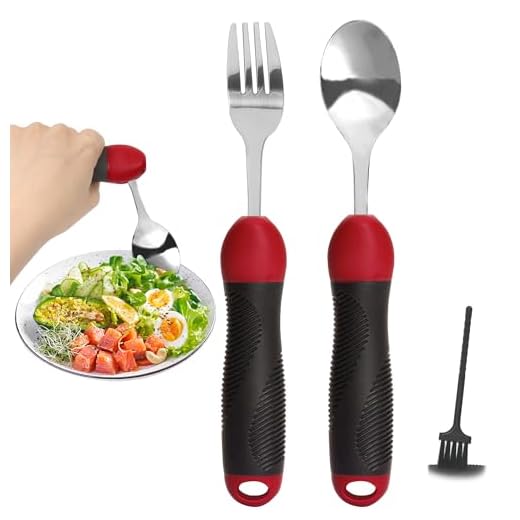
Adaptive utensils cater to various disabilities by providing tailored solutions that enhance the dining experience. For individuals with limited hand mobility, utensils with ergonomic grips offer greater comfort and control. Swivel or angled cutlery allows users to maintain a natural wrist position, making it easier to bring food to the mouth. Additionally, utensils with built-up handles can help those with poor grip strength feel more secure.
People with visual impairments can benefit from adaptive utensils featuring tactile elements or contrasting colors, helping them distinguish between different tools. Some designs may include raised edges or textured surfaces for better manipulation. By considering the specific challenges faced by individuals with disabilities, manufacturers create utensils that empower users to enjoy their meals with dignity and independence.
Tailored Solutions for Unique Needs
Adaptive utensils can be designed to meet the specific requirements of various disabilities. For individuals with limited hand strength, utensils with cushioned grips or those that are ergonomically shaped can significantly enhance their ability to eat independently. Modifications may include angled or weighted spoons and forks that allow for easier manipulation, reducing the effort required to lift food to the mouth.
Another aspect of tailored solutions is the integration of built-in adaptations, such as adjustable handles or utensils that can be affixed to a plate or bowl. This not only aids in keeping food stable but also provides a sense of control during meals. For those with visual impairments, utensils with tactile indicators or contrasting colors enhance recognition, offering more autonomy and confidence while dining.
Customizing Adaptive Utensils
Personalization plays a crucial role in ensuring that adaptive utensils effectively meet individual needs. Customization can include adjusting grip sizes, modifying angles, or incorporating specific materials that enhance comfort and functionality. Individuals may have different preferences based on their unique challenges and abilities. A thoughtful design that considers these variations can make a significant difference in usability.
Moreover, custom adaptive utensils can incorporate aesthetic elements to encourage use. For some, the look and feel of their utensils can influence their willingness to engage in dining experiences. By offering designs that appeal to personal tastes or include vibrant colors and patterns, users may feel more empowered and inclined to use their utensils regularly. This attention to detail fosters not only practical utility but also a sense of ownership and pride in using tools crafted for their specific situations.
Personalization for Enhanced Comfort
Adaptive utensils can be customized to suit individual preferences, ensuring that users feel comfortable during mealtimes. Customization options may include altering the grip size, weight, or shape of the utensils. For instance, a user with limited hand strength might benefit from a lighter utensil or one designed with an ergonomic handle. This adaptability can significantly reduce strain and improve the overall dining experience.
Moreover, incorporating personal preferences into the design can enhance enjoyment. Some people may prefer utensils with soft grips, while others might favor those with textured surfaces to facilitate better handling. By considering the unique needs and preferences of each user, adaptive utensils not only promote independence but also provide a sense of ownership, making mealtime a more pleasurable and engaging experience.
FAQS
What are adaptive utensils?
Adaptive utensils are specially designed eating tools that assist individuals with disabilities in dining independently. They feature ergonomic designs, altered sizes, and custom grips to accommodate various physical challenges.
How do adaptive utensils improve the dining experience?
Adaptive utensils enhance the dining experience by making it easier for individuals with disabilities to eat independently. They can reduce frustration, increase comfort, and promote self-sufficiency, which can lead to a more enjoyable mealtime.
Can adaptive utensils help improve social interaction during meals?
Yes, adaptive utensils can encourage social interaction by enabling individuals with disabilities to participate more fully in shared dining experiences. When individuals can eat independently, it fosters a sense of inclusion and allows for more meaningful connections with others.
Are there specific adaptive utensils for different disabilities?
Yes, there are adaptive utensils tailored to meet the needs of individuals with various disabilities. For example, utensils may be designed for those with limited grip strength, coordination issues, or specific conditions like arthritis or cerebral palsy.
How can I customize adaptive utensils for someone’s unique needs?
Customization of adaptive utensils can be achieved by selecting options that enhance comfort and usability, such as choosing the right grip size, weight, or material. Consulting with occupational therapists can also provide guidance on the best solutions for individual needs.