

How to Choose the Right Adaptive Utensils
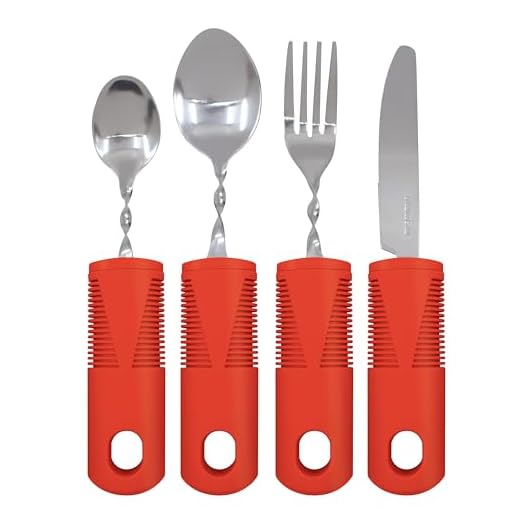
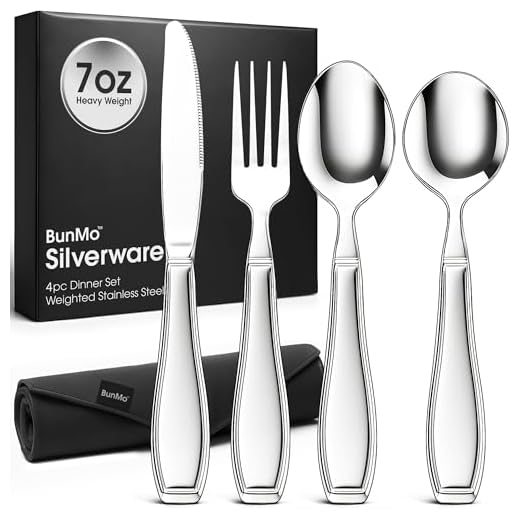
Selecting adaptive utensils involves assessing the specific needs of the user. Consider the individual’s physical limitations, such as grip strength, range of motion, and any sensory sensitivities. A variety of designs are available that feature ergonomic grips, weighted handles, and specialized shapes. Choosing utensils that cater to a person's unique challenges can enhance their ability to eat independently.
Price can also play a significant role in the decision-making process. While some adaptive utensils may be more expensive due to their design and materials, it's important to weigh the cost against functionality and durability. Researching user reviews and consulting occupational therapists can provide valuable insights into which utensils might work best. Prioritizing comfort and ease of use will lead to better overall satisfaction.
Discover more here.
Factors to Consider
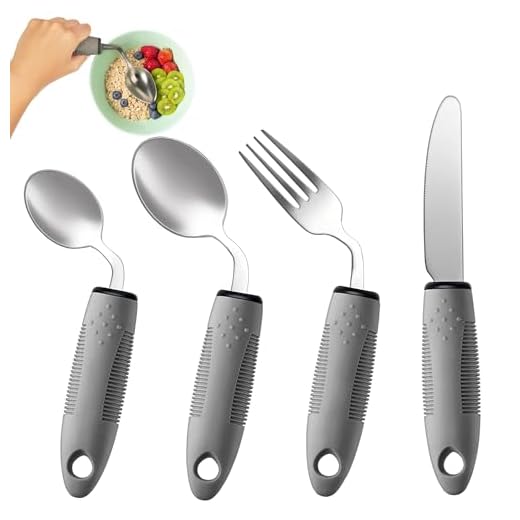
When selecting adaptive utensils, consider the specific needs of the user. Some individuals may require utensils with built-up handles for better grip, while others might benefit from angled designs that reduce strain during use. The user's strength and dexterity play significant roles in determining which types of utensils will be most effective. Assessing the tasks the individual finds challenging can also guide the selection process.
The material and weight of the utensils can greatly impact usability. Lightweight materials may be easier for those with limited strength to handle, while durable options ensure longevity and resilience. Additionally, texture can influence grip; utensils with textured grips can help prevent slipping. It's also useful to think about the individual's personal preferences, such as color and style, as this can encourage independence and enhance the overall eating experience.
Integrating Adaptive Utensils into Daily Life
Adapting to the use of adaptive utensils can significantly enhance daily routines for individuals with varying needs. It’s essential to introduce these tools gradually to create a comfortable environment. Starting with familiar meals or snacks can help ease the transition. This allows users to become accustomed to the new utensils without feeling overwhelmed. Observing personal preferences regarding grip and weight can further tailor the experience, ensuring users feel confident while eating.
Incorporating adaptive utensils into mealtime routines requires some mindful planning. Designating a specific area in the kitchen for these tools can encourage consistency. Organizing utensils alongside traditional cutlery may also aid in visual recognition. Family members or caregivers can support the adjustment process by participating in meals and demonstrating usage. Encouragement creates a positive atmosphere that reinforces the benefits these adaptive utensils provide.
Tips for Effective Use
Familiarize yourself with the specific features of each adaptive utensil to maximize their benefits. For instance, some utensils are designed with angled handles or built-up grips to enhance comfort and control for individuals with limited hand strength or dexterity. Experimenting with different grips or positions can often help achieve a more natural eating experience. It may take some time to adjust, so patience is essential during the initial phase of using these tools.
Establish a routine that incorporates these utensils into everyday meals. Encourage regular practice in a relaxed setting to build confidence and consistency. Keeping adaptive utensils accessible allows for spontaneous use, reinforcing positive habits. Involving family members in mealtime can offer both support and practice opportunities, creating a more enjoyable environment for everyone at the table.
Caring for Your Adaptive Utensils
Proper cleaning and maintenance of adaptive utensils are essential for ensuring their longevity and performance. Many of these utensils are made from materials that can be sensitive to harsh chemicals or abrasive scrubbing. Regular washing with mild soap and warm water is typically recommended. After washing, utensils should be thoroughly dried to prevent moisture retention, which could lead to rust or degradation over time.
Store adaptive utensils in a designated area where they are protected from damage and easy to access. Avoid placing them in cluttered drawers where they could be scratched or bent. If possible, use dividers or specific containers to keep utensils organized. Regularly inspect them for any signs of wear or damage. Addressing any issues early can help maintain their functionality and comfort.
Cleaning and Maintenance
Maintaining the cleanliness of adaptive utensils is essential for their longevity and functionality. Start by checking the manufacturer's recommendations for cleaning, as different materials may have specific care instructions. Most utensils can be cleaned using warm, soapy water and a soft sponge. Avoid abrasive cleaners that could scratch surfaces. Rinse thoroughly to remove any soap residue, which can be particularly unpleasant when using utensils for eating.
Proper storage also plays a significant role in the upkeep of these tools. After cleaning, ensure the utensils are completely dry before putting them away. This helps prevent bacteria growth and extends the life of the materials. Store them in a designated area free from dust and moisture. Using a container or rack can keep them organized and easily accessible for daily use.
FAQS
What are adaptive utensils?
Adaptive utensils are specially designed eating tools that assist individuals with disabilities or limited mobility in eating independently. These utensils may include features such as non-slip grips, weighted handles, or unique shapes to enhance usability.
Who can benefit from using adaptive utensils?
Adaptive utensils can benefit a wide range of individuals, including those with arthritis, Parkinson's disease, stroke survivors, or anyone with limited hand strength or dexterity. They are designed to make mealtime easier and more enjoyable for anyone facing such challenges.
How do I choose the right adaptive utensils for my needs?
When choosing adaptive utensils, consider factors such as your specific needs, the type of grip that feels comfortable, the weight of the utensils, and their overall design. It's also helpful to consult with an occupational therapist for personalized recommendations.
How can I effectively integrate adaptive utensils into my daily life?
To integrate adaptive utensils into your daily life, practice using them regularly to familiarize yourself with their features. Consider meal prepping with these utensils, and don’t hesitate to involve family or caregivers for support during mealtime as you adjust.
What is the best way to care for adaptive utensils?
To care for adaptive utensils, regularly clean them according to the manufacturer's instructions, typically using warm, soapy water. Avoid harsh chemicals that can damage the materials, and ensure they are dried thoroughly to prevent any residue buildup.