



How to Measure Cane Height Accurately
Measuring the correct cane height is essential for optimal support and comfort. To begin, stand up straight with your shoes on and allow your arms to hang naturally at your sides. The cane should be adjusted so that the handle aligns with the crease of your wrist when your arm is relaxed. This position helps ensure the best posture and balance while using the cane.
For individuals using a straight cane, it's helpful to have a partner assist with the measurements. Stand next to the partner and hold the cane vertically alongside your body, ensuring it touches the ground. Check that the cane’s handle reaches the same height as your wrist crease. If no one is available to assist, a wall or a sturdy piece of furniture can serve as a reference point to measure the height accurately. Making these adjustments ensures greater comfort and safety during use.
Have a peek at this blog for further readings.
Step-by-Step Measurement Guide
Gather a few essential tools before starting the measurement process. You will need a tape measure or ruler, a flat surface, and a sturdy chair. Begin by sitting in the chair with your feet flat on the ground. Ensure your legs are at a 90-degree angle. This position helps establish the proper height for your cane based on your natural arm length and posture.
Next, place the tape measure vertically beside you, ensuring it extends from the ground to your wrist when your arm is relaxed at your side. This measurement is crucial to determine the ideal cane height for your comfort and support. Make a note of the measurement in inches, as this will guide you in selecting the appropriate cane that meets your personal needs and preferences.
Types of Canes and Their Height Variations
There are several types of canes available, each designed with specific physical needs and preferences in mind. Standard single-point canes offer basic support and are often adjustable in height. Quad canes, featuring four points of contact with the ground, provide more stability and balance, especially for individuals with greater mobility challenges. Folding canes are portable options that can collapse for easy storage, making them perfect for those who are frequently on the move.
Height variations in canes are essential for maximizing their effectiveness and comfort. Each type of cane typically has a range of adjustable heights to accommodate users of different statures. For example, children’s canes are shorter and designed for smaller frames while standard canes cater to adult users. Properly adjusted canes help maintain good posture and reduce the risk of muscle strain, emphasizing the significance of selecting the right height for individual needs.
Exploring Different Cane Styles
Various cane styles cater to different needs and preferences, providing users with options that suit their lifestyle and physical requirements. Standard single-point canes offer stability and ease of use for most individuals, while quad canes, with four points of contact, provide enhanced support and balance for those requiring additional assistance. There are also folding canes designed for portability, making them convenient for travel.
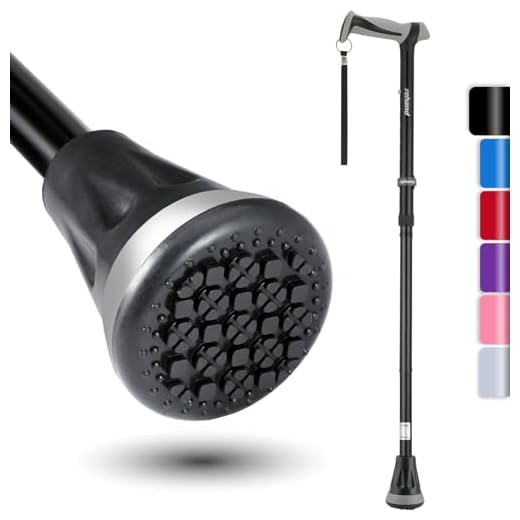
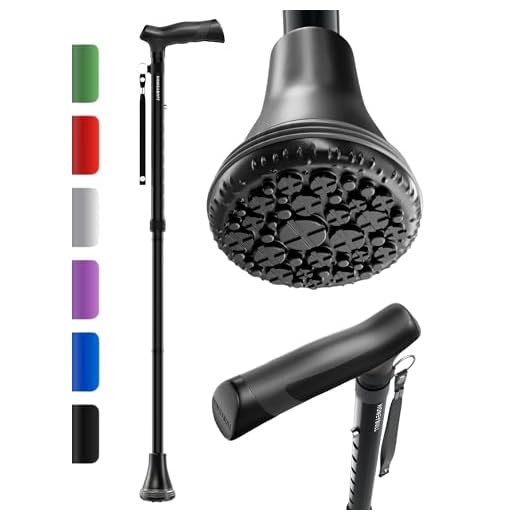
In addition to functionality, aesthetics play a role in cane selection. Canes come in a variety of colors, patterns, and materials, allowing users to express their individuality. Designer canes offer fashionable alternatives to traditional models, appealing to those who want style alongside practicality. Regardless of the style chosen, ensuring the correct height remains essential for optimal comfort and effectiveness.
The Role of Cane Height in Pain Management
Using the correct cane height significantly influences the user's overall comfort and well-being. A cane that is too short or too tall can result in improper posture, leading to unnecessary strain on the joints. For individuals with chronic pain or mobility issues, maintaining a neutral spine is crucial. When the cane is adjusted to the right height, it allows for a more natural gait and reduces the risk of falls. Proper alignment of the body encourages better weight distribution, taking pressure off of problematic areas like the knees and hips.
Pain management also benefits from using a cane that fits correctly. It promotes balance and stability, allowing individuals to navigate challenging terrain more confidently. The right height allows for optimal leverage, minimizing the effort required to move and thereby reducing fatigue. An appropriately sized cane can enhance the user's range of motion and mobility. Together, these factors create a more comfortable experience, ultimately improving quality of life for those relying on mobility aids.
Alleviating Strain on Joints
Proper cane height can significantly impact the strain placed on joints during mobility. When a cane is adjusted to the correct height, it encourages a natural arm position that minimizes the risk of overexertion. This allows users to maintain a more upright posture, leading to better weight distribution. Proper alignment has been shown to relieve pressure on hips, knees, and back, promoting a more comfortable walking experience.
A cane that is either too short or too tall can exacerbate existing joint pain, trade comfort for stability. An incorrectly sized cane might force individuals into awkward positions, leading to additional stress and discomfort. By ensuring the cane height is tailored to the user's needs, the device can serve as a supportive tool rather than a source of pain. This consideration is essential for those seeking to enhance their mobility while managing joint issues effectively.
FAQS
Why is proper cane height important for comfort?
Proper cane height is crucial for comfort as it ensures correct posture, reduces strain on joints, and allows for better balance and stability while walking.
How do I measure the correct height for my cane?
To measure the correct height for your cane, stand up straight with your arms relaxed at your sides. The top of the cane should reach the wrist crease when your arm is hanging down.
What are the different types of canes available?
There are several types of canes, including single-point canes, quad canes, folding canes, and specialty canes. Each type varies in height and design to accommodate different needs and preferences.
How can the height of a cane impact joint pain?
The height of a cane can significantly impact joint pain by promoting a natural walking posture, which helps to alleviate undue stress on the hips, knees, and lower back.
Can I adjust the height of my cane?
Yes, many canes come with adjustable height settings, allowing you to customize the cane to your preferred height for optimal comfort and support.