


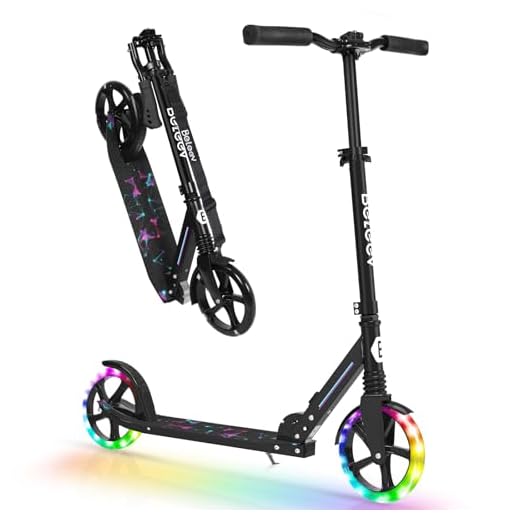

Comfort and Ergonomics
When considering a scooter, seat design plays a crucial role in overall comfort. A well-padded seat can significantly enhance the riding experience, especially during longer journeys. Look for seats that offer sufficient cushioning and contouring to support the body. Additionally, the shape and material should promote good airflow to prevent discomfort.
Handlebar height is another important factor to assess. If the handlebars are too low or too high, it can lead to an awkward posture and strain during rides. Ideally, your arms should be slightly bent while holding the handlebars, allowing for relaxed control. Adjustability in handlebar height can provide customizable comfort that caters to individual preferences.
This new blog post covers this topic in more detail.
Analyzing Seat Design and Handlebar Height
When examining scooter seat design, consider both the shape and padding. A well-contoured seat can provide better support during longer rides. Look for materials that enhance comfort and durability. Cushioned seats may offer additional comfort, especially for those planning to use their scooter for extended periods.
Handlebar height plays a crucial role in rider ergonomics. Properly adjusted handlebars make a significant difference in steering control and overall riding posture. Riders should be able to maintain a relaxed grip while keeping their back straight. A height-adjustable handlebar can cater to different user preferences and improve the overall experience.
Speed and Performance
When evaluating a scooter, maximum speed and acceleration should be top considerations. Different models offer varying speeds, typically ranging from 15 to 30 mph. For commuters, a balance of speed and stability is essential. Acceleration also plays a crucial role in how quickly a scooter can reach its top speed, impacting the overall ride experience, especially in urban settings where responsiveness is key.
Performance is also influenced by the motor power. Powerful electric scooters can provide faster acceleration and maintain speed on inclines, making them suitable for hilly terrains. Understanding the wattage of the motor can help buyers gauge performance levels, as higher wattage usually translates to better speed and climbing ability. Evaluating acceleration capabilities will ensure a smoother and more enjoyable ride, whether navigating city streets or tackling slopes.
Reviewing Maximum Speed and Acceleration
When purchasing a scooter, it is essential to consider its maximum speed and acceleration capabilities. The thrill of riding often depends on how quickly the scooter can reach its top speed. Manufacturers typically provide specifications that indicate both the maximum speed and the time it takes to accelerate from a standstill to a certain speed, which can significantly impact your overall riding experience. Whether you plan to navigate city streets or open roads, understanding these performance metrics helps ensure the scooter aligns with your intended use.
Acceleration is particularly important for urban commuters who need to start and stop frequently. A scooter with rapid acceleration can be an advantage in traffic scenarios, allowing riders to merge smoothly and safely. While maximum speed is crucial for longer trips, the ability to accelerate quickly helps maintain momentum during short commutes. Evaluating these performance aspects can guide you toward a model that meets your specific riding needs and preferences.
Maintenance and Durability
When selecting a scooter, it's essential to assess the materials used in its construction. High-quality materials, such as aluminum or reinforced plastics, can significantly enhance the durability of the scooter. Opting for models with good corrosion resistance ensures longevity, especially for those who may ride in wet conditions. Additionally, components like wheels and deck surfaces should be designed to withstand wear and tear, providing a smoother ride over time.
Routine maintenance plays a crucial role in prolonging the lifespan of a scooter. Regular checks for any loose bolts or worn-out parts can help prevent more significant issues. Cleaning the scooter periodically keeps it in optimal condition, while proper storage away from harsh elements protects it from unnecessary damage. Look for models that offer easy accessibility to components for maintenance tasks, as this can save time and effort in the long run.
Choosing Materials for Longevity
When selecting a scooter, the materials used in its construction play a critical role in determining its durability and lifespan. High-quality materials such as aluminum and carbon fiber offer a lightweight yet sturdy option, which contributes to overall performance. Look for scooters with reinforced frames and weather-resistant finishes, ensuring they withstand various environmental conditions. This attention to material quality can prevent common wear and tear, ultimately saving on long-term maintenance costs.
Additionally, the type of wheels and tires can significantly influence a scooter's longevity. Durable rubber compounds enhance traction and resist abrasion, while solid tire options eliminate the risk of punctures. Inspecting the joinery and fastenings used in the assembly is equally important. Well-engineered connections can prevent loosening over time, enhancing both safety and stability during rides. Investing in a scooter made from quality materials provides peace of mind and encourages more frequent use, knowing it can endure regular wear.
FAQS
What should I prioritize when considering comfort in a scooter?
When evaluating comfort, focus on the seat design, padding, and adjustability, as well as handlebar height to ensure it suits your body type and riding style.
How important is speed when selecting a scooter?
Speed is a key factor, especially if you plan to use the scooter for commuting or recreational purposes. Consider the maximum speed and acceleration to match your needs.
What materials should I look for in a durable scooter?
Look for scooters made from high-quality materials such as aluminum or reinforced plastic, as these offer better longevity and resistance to wear and tear.
How can I ensure my scooter remains in good condition?
Regular maintenance, including checking tire pressure, tightening bolts, and cleaning components, can help keep your scooter in optimal condition for longer.
Is it necessary to test ride a scooter before buying it?
Yes, a test ride is highly recommended as it allows you to assess comfort, handling, and performance firsthand, ensuring it meets your expectations.