




How to Use Crutches Effectively During Recovery
Managing Your Balance
Using crutches requires focus and proper technique to maintain your balance effectively. Position the crutches under your arms, ensuring they are adjusted to the right height. Keep the crutches about shoulder-width apart, and use your body weight to help stabilize yourself. When moving, take small, deliberate steps to distribute your weight evenly. This approach minimizes the risk of falling and allows for better control over your movements.
Practice transferring your weight between the crutches and your unaffected leg. Shift your weight to one crutch while lifting your leg. This motion must be smooth and controlled to avoid straining yourself. Visualizing each movement can help improve coordination. If you find yourself struggling, consider seeking guidance from a physical therapist. Their expertise can provide personalized strategies to enhance your balance while using crutches.
Get more info by visiting this post.

Tips for Maintaining Stability
When using crutches, proper positioning is crucial for maintaining balance. Keep your weight evenly distributed on the crutches, avoiding excessive pressure on your armpits. The crutches should be adjusted to the right height. Your elbows should be slightly bent when gripping the handles to reduce strain and enhance stability. When moving, step forward with your stronger leg while using the crutches for support.
Practice shifting your weight gently from one leg to the other as you move. This helps in building confidence and improves your control over the crutches. Always be aware of your surroundings to spot potential hazards, such as uneven surfaces or obstacles. Establish a focal point ahead of you to keep your body aligned and maintain your center of gravity. Consistency in technique will strengthen your ability to navigate effectively during your recovery.
Reducing Fatigue and Discomfort
Using crutches can lead to fatigue and discomfort, especially during extended periods of mobility. To alleviate this, adjust the height of the crutches properly. They should fit snugly under your arms without causing pressure. Ensure that your elbows remain slightly bent while holding the hand grips. This positioning helps distribute your weight evenly, reducing strain on your wrists and shoulders.
Incorporating breaks into your routine can also minimize fatigue. Take time to rest and reposition yourself as needed. Switching up the surfaces you navigate, like moving from pavement to softer ground, can provide relief for your joints. Wearing supportive footwear is essential to ensure comfort as well. Comfortable shoes with good arch support help create a stable base, making your mobility easier and less exhausting.
Ergonomic Strategies for Extended Use
Using crutches for extended periods can lead to fatigue and discomfort without proper ergonomic strategies. One important aspect to consider is the height adjustment of the crutches. Ensuring that the crutches are set at the correct height allows for a more natural posture while walking. The top of the crutch should be positioned one to two inches below the armpit, and the hand grips should align with the wrist when the arms are hanging down. This alignment prevents strain on the shoulders and wrists.
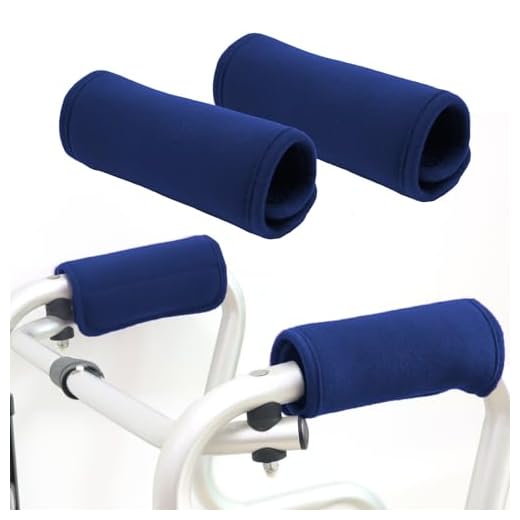
Another key factor is your grip on the crutches. Utilizing padded hand grips can greatly enhance comfort during prolonged use. Maintaining a relaxed grip can reduce tension in the hands and arms. Regularly shifting your weight from one crutch to the other as you move will also help distribute effort evenly and minimize fatigue. Taking short breaks when needed can further alleviate discomfort and prevent overexertion during recovery.
Caring for Your Crutches
Regular maintenance ensures your crutches remain in good condition for effective support. Inspect the crutches frequently for any signs of wear or damage, particularly focusing on the rubber tips and the grips. Worn or damaged parts can compromise safety and stability. Replace rubber tips when they appear worn down to prevent slipping. Additionally, check for any loose screws or adjustments and correct them as needed to maintain structural integrity.
Cleaning your crutches should be a routine part of your care. Use a damp cloth with mild soap to wipe down the metal and plastic parts, avoiding harsh chemicals that could damage the finish. Pay particular attention to the grips, as bacteria can accumulate in these areas. Allow your crutches to dry completely before using them again to prevent rust or degradation, particularly if they are made from metal. Regular cleaning not only prolongs the life of your crutches but also contributes to your overall hygiene during recovery.
Maintenance and Cleaning Tips
Keeping your crutches in good condition is essential for both safety and comfort. Regularly inspect the rubber tips for signs of wear or damage. If they appear slick or cracked, replacing them can improve grip and prevent slips. Tighten any loose screws or bolts to ensure stability during use. A simple check can make a significant difference in ensuring your crutches function correctly.
Cleaning the crutches also contributes to their longevity. Wipe down the frame with a damp cloth and mild soap to remove dirt and grime. Avoid using harsh chemicals, as these can deteriorate the material over time. For rubber tips, you can clean them with water and a soft brush. Ensure everything is thoroughly dry before using your crutches again to prevent any slip hazards.
FAQS
How can I improve my balance while using crutches?
To improve your balance, focus on keeping your body weight centered over the crutches, use handrails when available, and practice walking on flat surfaces before attempting stairs or uneven terrain.
What ergonomic strategies can help reduce discomfort while using crutches?
Adjust the height of your crutches to ensure your arms are slightly bent when resting on the handgrips, use padded grips, and take regular breaks to rest and stretch your muscles.
How often should I clean my crutches?
It’s recommended to clean your crutches at least once a week or more frequently if they get wet or dirty to prevent the buildup of bacteria and ensure they function properly.
Is it normal to feel fatigued when using crutches?
Yes, it is common to experience fatigue when using crutches, especially during the initial stages of recovery. To minimize fatigue, take breaks often and try to limit the distance traveled on crutches.
What should I do if my crutches feel unstable?
If your crutches feel unstable, check that they are properly sized and adjust their height if necessary. Ensure that the rubber tips are in good condition and consider consulting a healthcare professional for further guidance.
Related Links
Why Crutches Are Essential for Mobility ImpairmentsWhat Are the Different Types of Crutches Available