



Additional Health Tracking Features
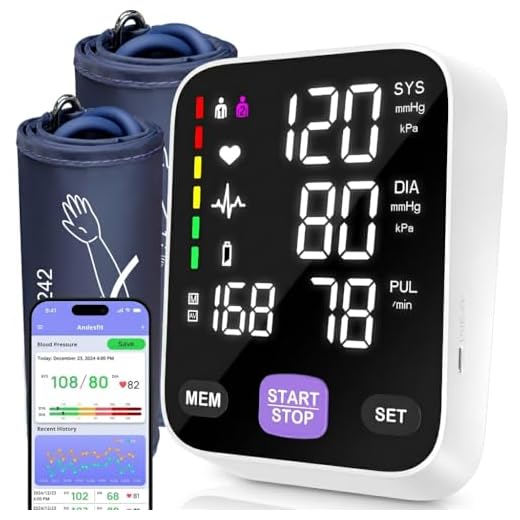
Many modern blood pressure monitors offer features that extend beyond simple readings. Some devices track heart rate, providing a more comprehensive view of cardiovascular health. Others include options for detecting irregular heartbeats, which can help users identify potential issues early. Advanced models may also monitor additional health metrics such as oxygen saturation or stress levels, appealing to those who want a broader insight into their wellness.
Customization options are becoming increasingly popular with users seeking tailored health solutions. Features like user profiles allow multiple individuals to store their readings, making it convenient for families or shared households. Some monitors are equipped with reminders for taking measurements or medications, enhancing adherence to health regimens. Such smart features cater to health-conscious individuals, helping them stay proactive in managing their blood pressure and overall health.
Their blog is a great resource for information.

Connectivity and Data Storage
Modern blood pressure monitors often come equipped with connectivity features that allow users to sync data with smartphones or tablets. This capability often enhances the user experience by enabling the tracking of blood pressure readings over time. Many devices utilize Bluetooth or Wi-Fi to transfer data to health applications, making it easier to store and analyze trends. Such features can be particularly beneficial for individuals managing chronic conditions or those who want to share their results with healthcare providers.
Data storage capacity also varies among models. Some monitors save a limited number of readings, while others offer extensive memory that can store months or even years of data. Having ample storage is advantageous for observing long-term patterns, which can prove valuable for discussions with doctors about treatment adjustments. It's essential to consider how storage capabilities align with one’s health tracking goals when choosing a device.
Recommended Brands and Models
When selecting a blood pressure monitor, it is important to consider reputable brands known for their accuracy and reliability. Omron and Withings consistently receive positive reviews due to their advanced technology and user-friendly designs. Omron offers a range of models, suitable for both home and clinical use, while Withings integrates smart features compatible with mobile devices. These brands have established a strong presence in the market, making them trusted choices for many individuals.
Another noteworthy brand is Panasonic, which features monitors designed for ease of use and readability. Users appreciate the large displays and straightforward interfaces, which assist in accurate readings. Additionally, many healthcare professionals recommend the A&D Medical line, praised for its precision and durability. These brands provide a variety of models that cater to different preferences and budgets, ensuring there is a suitable option for everyone.
Top-rated Blood Pressure Monitors
When searching for reliable blood pressure monitors, several models consistently receive high ratings from both consumers and health professionals. The Omron Platinum Blood Pressure Monitor stands out for its accuracy and ease of use. It features advanced averaging technology that ensures precise readings, and its Bluetooth connectivity allows for seamless data transfer to your smartphone. Another popular choice is the Withings BPM Connect, which not only measures blood pressure but also stores readings and syncs them to the Health Mate app. This modern design appeals to tech-savvy users while maintaining accuracy.
For those seeking budget-friendly options, the Greater Goods Smart Blood Pressure Monitor is frequently recommended. This device provides dependable results and an intuitive user interface. It also comes with a companion app that helps track your readings over time. Additionally, the LifeSource UA-767S-CH is praised for its comfortable cuff and clear display, making it an excellent choice for individuals who value simplicity without compromising on performance. Each of these monitors combines functionality with user-friendly features, catering to a variety of preferences and needs.
Reading and Interpreting Results
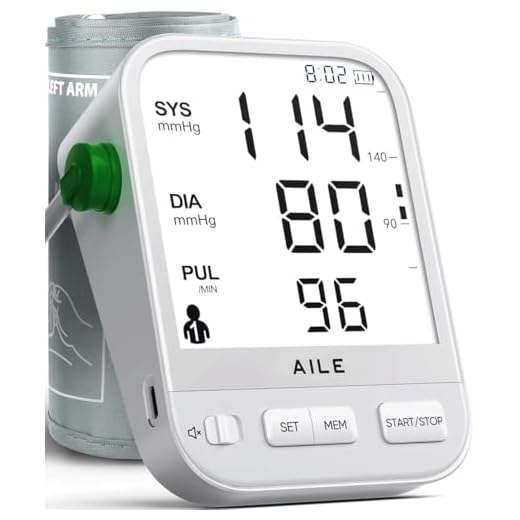
Interpreting blood pressure readings requires an understanding of the numbers presented. Blood pressure is expressed as two figures, systolic pressure over diastolic pressure. Systolic pressure is the higher number, indicating the pressure in the arteries when the heart beats. Diastolic pressure is the lower number, reflecting the pressure in the arteries when the heart rests between beats. A normal reading is generally considered to be around 120/80 mmHg.
Factors like age, fitness level, and overall health can influence what constitutes a normal reading for an individual. It's essential to recognize blood pressure categories, such as elevated, hypertension stage 1, and hypertension stage 2. Consistently high readings may indicate the need for lifestyle adjustments or medical intervention. Regular monitoring helps track changes over time, allowing for informed discussions with healthcare providers.
Understanding Blood Pressure Readings
Blood pressure readings consist of two numbers expressed in millimeters of mercury (mmHg). The first number, known as systolic pressure, represents the pressure in your arteries when your heart beats. The second number, diastolic pressure, measures the pressure in the arteries when the heart is at rest between beats. A typical reading for a healthy adult is around 120/80 mmHg. Readings above or below this range can indicate potential health concerns.
Interpreting these numbers is crucial for understanding your overall cardiovascular health. Elevated systolic pressure indicates the heart is working harder, often due to factors such as stress, diet, or physical inactivity. Diastolic pressure that is consistently high may suggest increased resistance in the arteries. Regular monitoring can help identify patterns and inform discussions with healthcare providers about lifestyle changes and potential treatments.
FAQS
What features should I look for in a blood pressure monitor?
When choosing a blood pressure monitor, look for features such as accuracy, ease of use, cuff size, additional health tracking capabilities, and connectivity options for data storage and sharing.
How important is data connectivity in a blood pressure monitor?
Data connectivity is important if you want to track your readings over time, share them with healthcare providers, or store them in a digital health app. It can enhance your monitoring experience and provide better insights into your health.
What are some top-rated brands for blood pressure monitors?
Some top-rated brands include Omron, Withings, and Panasonic. These brands are known for their reliability, accuracy, and user-friendly designs.
How do I read and interpret blood pressure results?
Blood pressure readings consist of two numbers: systolic (the top number) and diastolic (the bottom number). A normal reading is typically around 120/80 mmHg. Higher or lower readings may indicate hypertension or hypotension, so it's best to consult with a healthcare provider for interpretation.
Can I use a blood pressure monitor at home, and do I need a prescription?
Yes, you can use a blood pressure monitor at home without a prescription. However, it's advisable to consult with your healthcare provider for guidance on which monitor to choose and how to use it correctly.
Related Links
How to Properly Use a Blood Pressure Monitor at HomeRoundup of Apps That Pair with Blood Pressure Monitors
10 Best Blood Pressure Monitors for Home Use in 2023