



Material Considerations for Canes
Choosing the right material for a cane greatly impacts its overall effectiveness and user comfort. Wood can provide a classic aesthetic and offers durability that many find appealing. However, wooden canes can be heavier than their metal counterparts and may require more maintenance to preserve their appearance. Aluminum, being lightweight and strong, is favored for its portability and resistance to rust or corrosion. It often comes in various finishes, allowing users to select a style that suits their taste.
Carbon fiber has gained popularity among those seeking an innovative option. Its remarkable strength-to-weight ratio makes it incredibly lightweight yet robust. Users often appreciate the added shock absorption it provides, which enhances comfort during extended use. Each material has its unique benefits, so personal preferences and specific needs should guide the decision-making process when selecting a cane.
Discover more here.

Comparing Wood, Aluminum, and Carbon Fiber
Wood canes offer a classic aesthetic and natural feel. They are often favored for their warmth and sturdy construction. Many types of wood can be used, including oak, maple, and cherry, each providing a unique appearance. Additionally, wood canes are sometimes carved or inlaid with designs, adding a personal touch. The weight of wood can vary depending on the type, which may influence ease of use for some individuals.
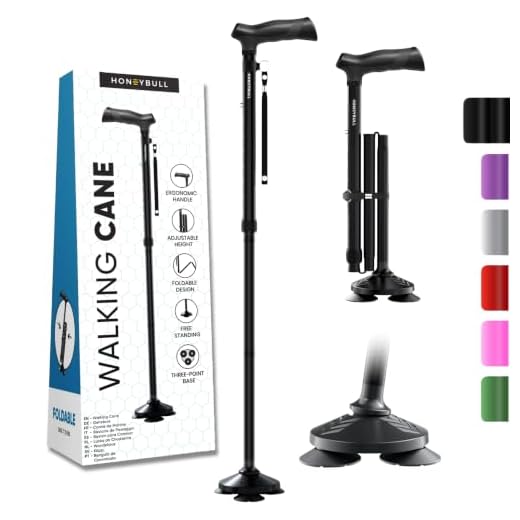
Aluminum and carbon fiber canes are lightweight and durable, making them practical for everyday use. Aluminum canes are typically more affordable and resistant to bending, while carbon fiber canes provide superior strength-to-weight ratios, making them exceptionally easy to maneuver. Both options often come in collapsible designs, allowing for convenient storage. The modern look of aluminum and carbon fiber canes may also appeal to those seeking a contemporary style.
Customizable Canes
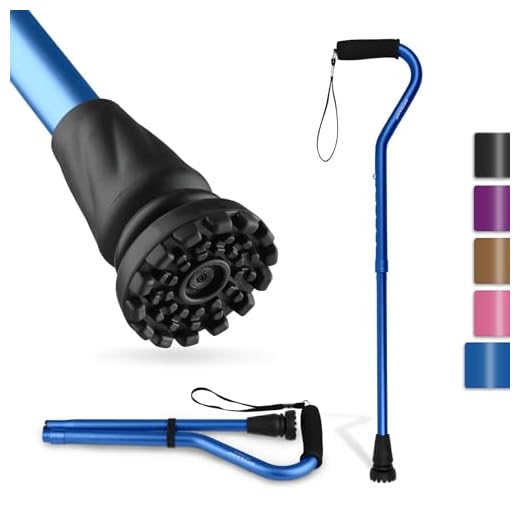
Canes have evolved beyond basic tools for mobility, offering options for customization that enhance both function and style. Many manufacturers provide features such as adjustable height and interchangeable handles. Users can select colors, patterns, and grip types that suit personal preferences and lifestyle needs. This level of personalization can make a significant difference in comfort and usability, ensuring that the cane aligns with the user’s daily activities.
Altering canes not only improves their practicality but also allows wearers to express individuality. Some companies specialize in creating one-of-a-kind designs, allowing users to add engravings or choose from a wide variety of materials. Customizable options are especially beneficial for individuals with specific medical needs, where tailored support can greatly enhance overall mobility. The ability to personalize a cane empowers users, making them feel more confident while navigating their environment.
Personalization Options for Enhanced Comfort
Personalization in cane design allows users to enhance both functionality and comfort. Many manufacturers offer a variety of handle shapes and grips. Ergonomic handles can provide a more natural feel during use, reducing strain on the wrist and improving stability. Users might also select canes with padded or contoured grips, catering specifically to their individual needs.
Colors and patterns can add a personal touch to a cane. Custom finishes ensure that a cane not only serves its purpose but also reflects one's style. Beyond aesthetics, some brands provide options for adjustable height, allowing for further customization. These features contribute to a more tailored experience, making daily use more enjoyable and convenient.
Proper Cane Height and Fit
Choosing the correct height for a cane is crucial to ensure safety and effectiveness. A cane that is too tall can cause users to lean awkwardly, while one that is too short may not provide the necessary support. To find the appropriate height, users should stand up straight, with their arms relaxed at their sides. The top of the cane should reach the wrist when the arm is hanging naturally. This measurement helps maintain proper posture and balance during use.
Achieving the right fit goes beyond just height; adjustments may also be necessary to cater to individual needs. Users may have specific requirements based on their physical condition or preferences. Some canes have adjustable lengths, allowing for customized settings that accommodate changing needs. Additionally, selecting a cane with an appropriate grip style can enhance comfort and usability during daily activities.
Measuring for the Right Cane Size
Finding the appropriate size for a cane is crucial for ensuring comfort and proper support. To determine the right height, stand up straight with your arms relaxed at your sides. When measured, the top of the cane should reach the wrist bone. This measurement helps maintain a natural arm position while providing stability during use.
Additionally, adjustments may be necessary based on individual needs or preferences. Some users may require a cane that is slightly taller or shorter, depending on their walking style or any specific conditions affecting their mobility. Many canes come with adjustable height features, allowing for increased personalization to achieve the best fit. Proper sizing not only enhances safety but also contributes to a more confident walking experience.
FAQS
What materials are commonly used to make canes?
Common materials for canes include wood, aluminum, and carbon fiber, each offering different levels of durability, weight, and aesthetics.
How do I choose the right material for my cane?
The choice of material depends on your needs for weight, strength, style, and comfort. For example, wood can be stylish and sturdy, while aluminum is lightweight and adjustable.
Can I personalize my cane?
Yes, many canes offer personalization options such as custom grips, colors, and patterns to enhance comfort and style.
How do I measure for the proper cane height?
To measure for the right cane height, stand up straight and allow your arms to hang naturally at your sides. The top of the cane should reach the crease of your wrist.
Are there different types of canes for specific conditions?
Yes, there are various types of canes designed for specific conditions, such as quad canes for added stability or folding canes for portability, catering to different mobility needs.