



Practicing with Adaptive Utensils
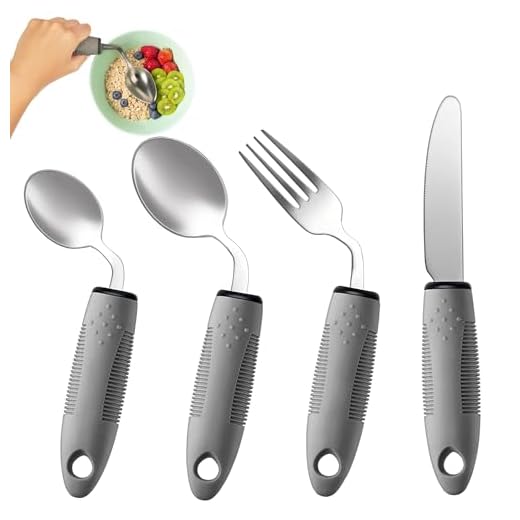
Choosing adaptive utensils tailored to an individual’s specific needs can significantly enhance their experience. Start by selecting utensils with comfortable grips and ergonomic designs. This allows users to achieve better control while eating, reducing frustration and encouraging autonomy. Practicing with these tools in a relaxed setting can help build confidence. Begin with simple exercises, such as picking up small food items or using utensils to scoop softer foods. Familiarity will foster a sense of mastery over time.
Regular practice is essential for developing skills with adaptive utensils. It can be helpful to create a consistent routine during mealtimes. Encouraging individuals to use these utensils at each meal reinforces their learning and builds muscle memory. Offering positive feedback can boost motivation and make the process enjoyable. Consider incorporating fun elements, such as choosing favorite foods or engaging in lighthearted conversations while eating. These strategies can make the practice both effective and pleasant, promoting a more independent dining experience.
Additional info can be found here.

Tips for Developing Skill and Comfort
Starting slowly can help build confidence when using adaptive utensils. Begin with familiar foods that require minimal effort to handle. This encourages a positive experience as users learn to navigate their new tools. Practicing in a relaxed environment allows individuals to focus on their technique without added pressure. Over time, gradually introduce more challenging foods to foster skill development.
Encouragement from family or friends can significantly improve comfort levels. Having a supportive environment inspires users to explore their abilities without fear of judgment. Feedback is essential; gentle suggestions can help refine techniques while boosting morale. Repetition aids in muscle memory, making utensils feel more natural with continued use. Creating a routine around mealtimes may also promote consistency and confidence.
Incorporating Adaptive Utensils into Daily Life
Utilizing adaptive utensils can significantly enhance mealtime experiences for individuals seeking greater independence. Integrating these tools into a daily routine can help reduce frustration, allowing users to focus on enjoying their meals rather than struggling with conventional utensils. Familiarizing oneself with the specific features of each utensil is crucial. This understanding enables individuals to practice effectively, leading to a smoother mealtime process.
Routine practice plays a pivotal role in ensuring the successful use of adaptive utensils. Consider setting aside designated times for meals to focus on developing skill and comfort with these tools. Including family members in mealtimes can also create a supportive environment. Sharing meals not only fosters connection but also encourages the practice of using adaptive utensils in a relaxed setting, making the process more enjoyable for everyone involved.
Making Mealtimes More Enjoyable
Mealtime can be a delightful experience when adaptive utensils are used effectively. Customizing the dining environment plays a significant role in enjoyment. Consider using colorful plates or utensils that resonate personally. Involving family members or friends during meals fosters a sense of community and companionship. Sharing stories or engaging in light conversation while eating enhances the overall experience.
Experimenting with different food textures can also heighten the enjoyment level. Soft, easy-to-eat foods can be paired with adaptive utensils designed for better grip and control. Introducing a variety of flavors not only makes meals exciting but also encourages healthier eating habits. Keeping the atmosphere relaxed and inviting cultivates a positive association with mealtimes, ultimately making them more pleasant for everyone involved.
Cleaning and Maintaining Adaptive Utensils
Proper cleaning of adaptive utensils is essential for maintaining their functionality and ensuring hygiene. Most adaptive utensils are made from materials that can withstand regular dishwashing. It’s advisable to check manufacturer instructions for specific care guidelines. Hand washing can also be effective, especially for utensils with intricate designs or electronic components. Using mild soap and warm water will help remove residual food without causing damage.
Regular maintenance plays a vital role in prolonging the life of adaptive utensils. Inspecting for wear and tear periodically ensures that they remain safe for use. If any parts become loose or damaged, addressing those issues promptly can prevent further complications. Storing utensils in a clean, dry place after use aids in avoiding contamination and helps maintain their condition.
Best Practices for Longevity
Proper care is essential to ensuring the longevity of adaptive utensils. Regular cleaning after each use helps remove food particles and bacteria, which can cause wear and tear over time. Most adaptive utensils are designed to be dishwashable; however, handwashing with mild soap and water is often recommended to maintain their durability. It is important to avoid using abrasive cleaners that might scratch or damage the surface of the materials.
Storing adaptive utensils correctly can also extend their lifespan. Keep them in a dry, cool place to prevent materials from degrading. Using utensil organizers can help prevent accidental damage and keep them in good condition. Regularly inspecting for any signs of wear or damage allows for early intervention, which can avoid the need for frequent replacements.
FAQS
What are adaptive utensils?
Adaptive utensils are specially designed eating tools that help individuals with physical limitations or disabilities eat more independently. These utensils may feature ergonomic designs, non-slip grips, and other modifications to enhance usability.
How can I practice using adaptive utensils?
Begin by familiarizing yourself with the utensils in a comfortable setting. Hold them and practice scooping, cutting, and bringing food to your mouth. Start with softer foods and gradually progress to more challenging textures as you gain confidence and skill.
Are there specific tips for developing skill and comfort with adaptive utensils?
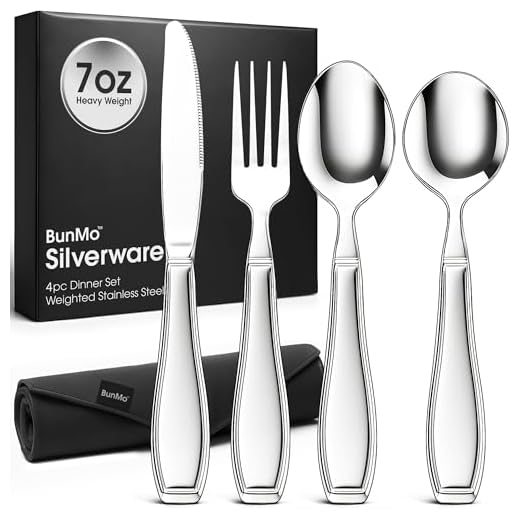
Yes! Focus on a relaxed grip, maintain a steady hand, and use a stable surface when practicing. Also, consider using weighted utensils if you have tremors, as they can help provide better control during meals.
How can I incorporate adaptive utensils into my daily life?
Start by using adaptive utensils during all meals and snacks to build a routine. You can also involve family and friends in the process to create a supportive environment. Additionally, explore various adaptive utensils to find the ones that work best for you.
What are the best practices for cleaning and maintaining adaptive utensils?
Always follow the manufacturer’s cleaning instructions. Generally, it’s best to hand wash adaptive utensils with mild soap and water. Avoid abrasive cleaners or scrubbing pads that could damage the materials. Regularly check for wear and tear to ensure their longevity.