


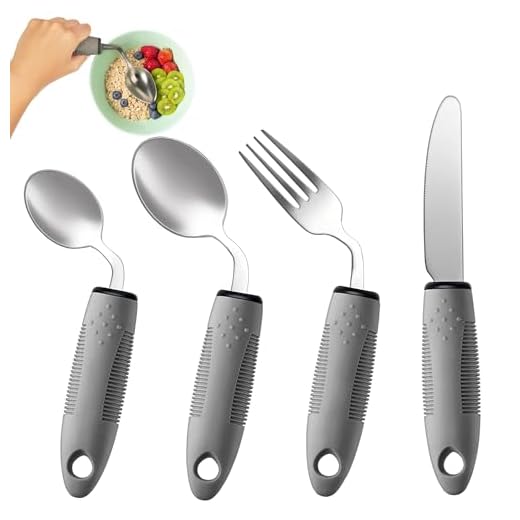

Weight and Stability
Choosing the right adaptive eating tools requires careful consideration of their weight and stability. Lightweight options may be easier to handle for some users, particularly for those with limited strength or dexterity. However, it's crucial that these tools maintain sufficient stability during use to prevent spills and accidents. A tool that is too light may lack the necessary sturdiness, while heavier designs may be more challenging to maneuver for individuals with certain physical limitations.
Stability is equally important for effective and comfortable dining experiences. Tools should provide a solid grip and remain steady on the table or in the hand during use. Features such as rubberized grips or weighted bases can enhance stability and prevent slipping. Evaluating the balance of weight and stability ensures that the selected adaptive eating tools meet the unique needs of the user, promoting independence and confidence at mealtime.
Get more info by visiting this post.
Finding the Right Balance for Effective Use
When selecting adaptive eating tools, it is essential to consider the weight and stability of each item. A tool that is too heavy may cause difficulty in lifting or maneuvering, while one that is too light may not provide adequate control or support. Finding the right balance can enhance the user’s independence and confidence during mealtime. Stability plays a crucial role in preventing spills and accidents, ensuring that the innovative features of adaptive tools are put to full use.
Ergonomics should also be a primary focus when evaluating potential tools. An ergonomic design that aligns with the natural grip of the hand can significantly reduce fatigue and discomfort during use. Tools that fit comfortably in the user’s hand promote better control, allowing for a more satisfying dining experience. Engaging with the tools in a way that feels natural fosters increased independence, encouraging a more enjoyable mealtime routine.
Cleaning and Maintenance
Maintaining adaptive eating tools is essential for both hygiene and longevity. Regular cleaning prevents the build-up of food residues, which can lead to bacterial growth. Most tools can be easily washed with warm, soapy water. Always check if the items are dishwasher-safe for added convenience. Pay special attention to seams and crevices where food particles might hide. For tools made of material that can retain odors or stains, a deeper clean with vinegar or baking soda may be beneficial.
Storage is equally important in the care of adaptive eating tools. Properly stowed tools can avoid damage and ensure they remain in good condition. Use dedicated containers or organizers to keep them separate from other kitchen utensils. This practice not only improves accessibility but also minimizes the risk of scratching or breaking them. Keeping tools dry and in a cool environment will help prevent any potential wear or rust, especially for metal components. Taking these steps ensures that the tools remain functional and ready for use.
Best Practices for Keeping Tools Sanitary
Maintaining a high level of cleanliness for adaptive eating tools is essential to ensure user health and safety. Regular cleaning should be part of the routine, using warm, soapy water for most utensils. Some materials may require specific cleaning agents or methods, so it's important to consult the manufacturer’s guidelines. The tools should be inspected frequently for signs of wear or residue buildup, which can harbor bacteria.
Storing adaptive tools properly also contributes to their longevity and cleanliness. They should be kept in a designated, clean area to avoid cross-contamination with other kitchen items. Using mesh bags or designated containers can help keep tools organized and protected from dust and contaminants. Ensuring that tools are completely dry before storage can prevent mold and unpleasant odors, maintaining a hygienic and user-friendly dining experience.
Cost vs. Quality
When choosing adaptive eating tools, balancing cost and quality is essential. Cheaper options may be tempting due to low initial investment, but they often compromise on durability and functionality. Higher-quality tools tend to offer better design and materials, which enhance usability for individuals with varying needs. Investing in reliable products can lead to long-term savings, as they are less likely to require replacement or frequent repairs.
It is important to assess the specific needs of the user when considering cost versus quality. While a higher price tag might indicate superior craftsmanship, it does not always guarantee efficiency for every individual. Researching brands, reading reviews, and seeking recommendations from healthcare professionals can provide valuable insight into which products offer the best combination of affordability and effectiveness. This approach ensures that users receive tools that not only fit their budget but also promote independence and enhance the dining experience.
Budgeting for Long-lasting Solutions
When selecting adaptive eating tools, it is essential to weigh both cost and quality to ensure a beneficial investment. While cheaper options may seem appealing upfront, they often compromise on durability and effectiveness. Higher-quality tools may require a greater initial financial outlay but tend to offer better performance and longevity. Investing wisely in well-made products can alleviate future costs associated with replacements and repairs.
Creating a budget that balances your financial capabilities with the need for reliable tools is vital. Consider prioritizing essential items that maximize functionality before exploring additional adaptive equipment. Researching different brands and reading user reviews can provide insight into which products offer the best value for money, ensuring that you choose tools designed to endure the challenges of daily use. This approach not only promotes efficient use but also contributes to a more sustainable and cost-effective living environment.
FAQS
What are adaptive eating tools?
Adaptive eating tools are specially designed utensils and devices that assist individuals with disabilities or difficulties in eating, helping them to eat independently and comfortably.
Why is weight important when selecting adaptive eating tools?
The weight of adaptive eating tools affects their usability. Tools that are too heavy can be difficult to handle, while those that are too light may not provide the stability needed for effective use.
How can I ensure my adaptive eating tools are easy to clean?
Look for adaptive eating tools made from materials that are dishwasher-safe or easy to wipe down. Regular cleaning and sanitizing are essential for maintaining hygiene.
How do I balance cost and quality when selecting adaptive eating tools?
Consider your budget but prioritize quality. Investing in durable and effective tools may save you money in the long run, as they tend to last longer and perform better.
Are there specific brands that are recommended for adaptive eating tools?
While there are many reputable brands, it's best to choose tools based on user reviews and recommendations from occupational therapists or professionals in assistive technology to ensure they meet your specific needs.