



Recording Your Blood Pressure Readings
To effectively monitor your blood pressure at home, it’s essential to follow a consistent procedure when taking readings. Begin by finding a quiet environment where you can relax for a few minutes before measuring. Choose a time of day that works best for you, whether it’s in the morning or evening, and aim to take your readings at the same time each day. This consistency helps ensure that your readings are comparable over time.
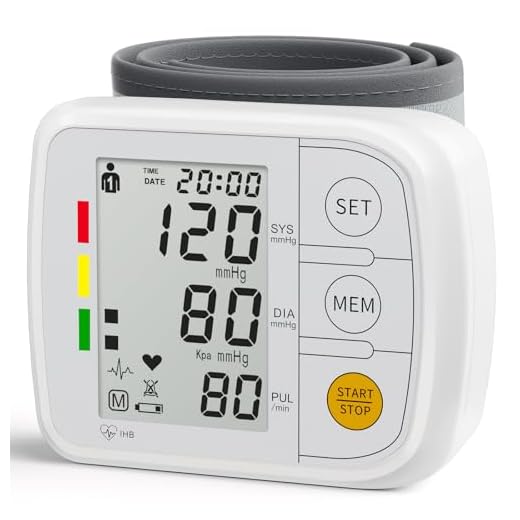
When recording the measurements, write down both the systolic and diastolic values as well as the date and time of each reading. Many monitors have a built-in memory feature that saves this data for you, but keeping a separate log can be beneficial for tracking trends. Additionally, note any factors that may have influenced your results, such as physical activity, stress levels, or medication changes. This information can provide valuable context when discussing your blood pressure with your healthcare provider.
See here for more great tips.
Keeping a Consistent Log
Maintaining an organized record of your blood pressure readings is essential for tracking trends and managing your health effectively. Use a dedicated notebook or a digital app to jot down each reading, noting the date and time of the measurement. Consistency in timing is vital; try to take your readings at the same times each day to ensure comparability. This log will enable you and your healthcare provider to identify patterns and make informed decisions.
In addition to tracking the numbers, consider logging other factors that may influence your blood pressure, such as physical activity, stress levels, and dietary habits. Including these details will provide valuable context when discussing your readings with a professional. Ensure your entries are clear and easy to read, making it simpler to spot any significant changes over time. Keep your log updated regularly to capture a comprehensive view of your health.
Interpreting Your Blood Pressure Results
Blood pressure readings consist of two numbers: systolic and diastolic pressure. The systolic number measures the pressure in your arteries when the heart beats, while the diastolic indicates the pressure between beats. A reading such as 120/80 mmHg is often considered ideal, falling within the normal range. Levels can vary, with systolic pressure over 130 mmHg indicating elevated levels and diastolic pressure over 80 mmHg also signaling a concern.
Understanding your results involves recognizing these categories. Normal is typically defined as anything below 120/80 mmHg. Elevated blood pressure is classified as a systolic reading between 120 and 129, with a diastolic reading still below 80. Hypertension stage 1 occurs when systolic pressure is between 130 and 139 or diastolic pressure ranges from 80 to 89. Awareness of these distinctions helps in effectively managing your health and communicating with healthcare professionals.
Understanding Normal, Elevated, and High Levels
Blood pressure readings are categorized into different levels based on the measurements of systolic and diastolic pressures. Normal blood pressure typically falls below 120/80 mm Hg. Elevated blood pressure ranges from 120-129 systolic and less than 80 diastolic. Understanding these ranges helps individuals recognize their health status and take preventive measures if needed.
When blood pressure readings reach 130/80 mm Hg or higher, it is classified as high blood pressure or hypertension. Stage 1 hypertension occurs with readings from 130-139 systolic or 80-89 diastolic, while stage 2 hypertension is noted at 140/90 mm Hg or above. Monitoring these levels can guide lifestyle changes and inform discussions with healthcare providers about the necessity of intervention or treatment strategies.
Common Errors to Avoid
Accuracy in blood pressure readings can be compromised by several common mistakes. Failing to sit in a proper position is one of the most significant errors. It is essential to sit with your back supported, legs uncrossed, and feet flat on the floor. Additionally, it’s important to place the cuff on bare skin rather than over clothing. Tightening the cuff incorrectly can also lead to inaccurate results.
Distractions during measurement can skew results. Speaking or moving while the monitor is taking a reading may cause fluctuations in blood pressure. Taking measurements right after physical activity or consuming caffeine can yield misleading figures. Maintaining a calm environment and ensuring you have not engaged in any stimulating activity before measuring can help achieve reliable readings.
Missteps That Can Affect Accuracy
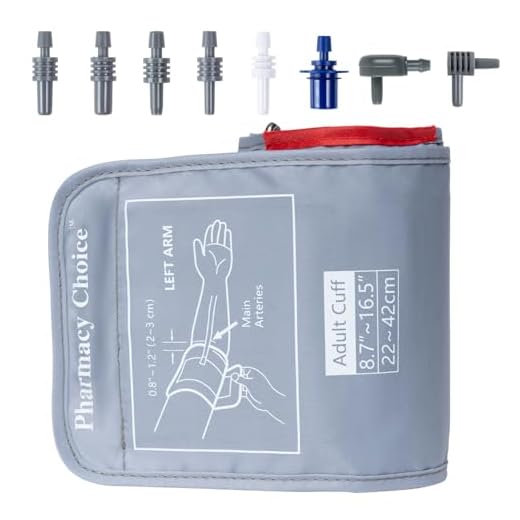
Numerous factors can contribute to inaccurate blood pressure readings. One common issue is improper cuff size. A cuff that is too small can yield readings that are higher than actual levels, while a cuff that is too large may result in lower readings. Ensuring that the cuff fits snugly around your arm is essential for reliable results. Other factors, such as body position, can also impact accuracy; sitting with your legs crossed or leaning forward may distort the measurements.
Timing can play a crucial role in achieving accurate readings. Taking measurements at different times of the day can yield varying results due to natural fluctuations in blood pressure. It is advisable to measure your blood pressure at the same time daily for consistency. Additionally, factors like stress, recent exercise, or caffeine consumption can temporarily elevate blood pressure, influencing the readings. Avoiding these elements before taking a measurement can help ensure a more accurate assessment of your blood pressure levels.
FAQS
How often should I measure my blood pressure at home?
It's generally recommended to measure your blood pressure at least once a day, but depending on your doctor's advice, you may need to check it more often, especially if you're monitoring a specific health condition.
What is the best time of day to take my blood pressure?
The best time to measure your blood pressure is usually in the morning before taking any medications or eating. However, it can also be beneficial to take readings at the same time each day to track any changes accurately.
Do I need to do anything special before taking my blood pressure?
Yes, it's important to relax for a few minutes before taking your reading. Sit comfortably with your back supported and feet flat on the floor, ensuring that your arm is at heart level and not crossed.
What should I do if my blood pressure readings are consistently high?
If you consistently get high readings, it’s important to consult your healthcare provider for further evaluation and guidance. They may recommend lifestyle changes or medication adjustments.
Can certain factors affect my blood pressure readings?
Yes, various factors can influence your blood pressure, including stress, caffeine intake, physical activity, and even the position of your body when measuring. It's important to follow best practices to ensure accuracy.
Related Links
What to Know Before Buying a Blood Pressure MonitorHow to Choose the Right Blood Pressure Monitor for Your Needs