

Evolution of Shower and Bath Designs
The design of showers and baths has evolved significantly over the years, reflecting changes in technology, materials, and consumer preferences. Early bathing experiences often relied on basic tubs made from wood or metal, which were not only heavy but also posed challenges in terms of sanitation and comfort. As indoor plumbing and hygiene awareness advanced, the introduction of porcelain enamel and acrylic materials transformed the bathing environment. These modern materials offered durability, ease of cleaning, and a more appealing aesthetic.
The advent of different shower designs has also played a pivotal role in enhancing user experience. Walk-in showers have gained popularity for their accessibility and ease of use, particularly for those with mobility issues. Curbless designs eliminate barriers, making the transition from bathroom floor to shower seamless. Innovations like adjustable showerheads and built-in seating have further contributed to a more comfortable and versatile bathing experience, accommodating a wide range of needs and preferences.
Discover more here.
Safety Features in Modern Bathrooms
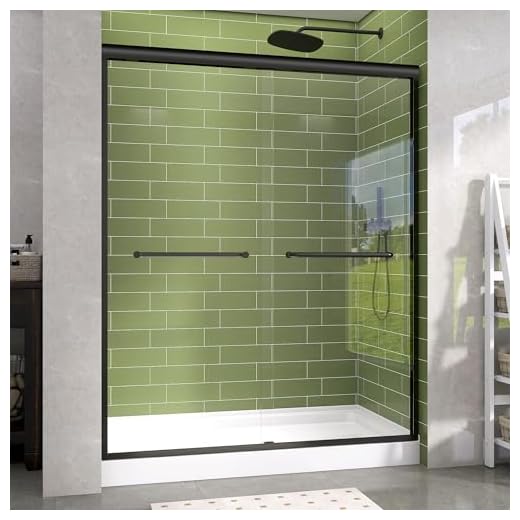
Many contemporary bathrooms incorporate a variety of safety features designed to prevent accidents and enhance user comfort. Non-slip flooring materials have become a standard choice, effectively reducing the risk of slips and falls in wet conditions. Grab bars are strategically placed near showers and toilets, providing much-needed support for individuals with limited mobility. Additionally, curbless shower designs allow for seamless transitions, making it easier for users to enter and exit without tripping hazards.
Innovations such as stand-alone shower benches help users maintain stability while bathing. Moreover, water temperature controls and anti-scald devices safeguard against burns, ensuring a safer bathing experience for everyone. These features have not only improved safety but also contributed to the overall functionality of modern bathrooms, catering to a wider range of needs and preferences.
Advances in Bathing Aids for the Elderly
Recent innovations have transformed the way bathing aids support the elderly. Grab bars now come in various designs and materials, making them more attractive while ensuring safety. Non-slip mats and tub liners are engineered with enhanced grip technology to minimize slipping risk. Additionally, companies are developing bathing chairs and benches that can be adjusted for height and portability, catering to individual needs and preferences.
Voices in the industry recognize the importance of ergonomic designs for seniors. Products are increasingly lightweight yet durable, allowing for ease of use without sacrificing stability. Waterproof cushions provide comfort during bath time, addressing both safety and wellbeing. These advances reflect a growing awareness of the unique challenges faced by older adults in the bathroom environment.
The Rise of Assistive Technology
Assistive technology has undergone significant advancements, transforming how individuals with mobility challenges engage with bathing and hygiene tasks. Devices designed for ease of use, such as grab bars, shower chairs, and transfer benches, have become common in households and facilities. These innovations enhance safety by providing stability and support in slippery environments. Additionally, many of these products are designed with aesthetic appeal, blending functionality with modern decor to suit various tastes.
The introduction of smart features has revolutionized traditional assistive tools. Sensors that detect falls or emergency buttons integrated into bathing aids ensure help is readily available during critical moments. Voice-activated controls and smart lighting systems further enhance the bathing experience, offering people greater independence. Such technologies not only improve physical safety but also promote confidence and dignity for users, allowing them to maintain their personal care routines without undue assistance.
Smart Technology in Bath Safety
The integration of smart technology in bath safety represents a significant advancement in creating secure environments for users. Devices such as smart thermostats and motion sensors help ensure proper temperature regulation and prevent slips. These features enhance user confidence while bathing, particularly for individuals with mobility challenges or elderly individuals who may require additional support.
IoT devices further enhance bath safety by providing real-time monitoring and alerts. For instance, smart water leak detectors can send notifications to users or caregivers, prompting immediate action to prevent potential hazards. Additionally, smart cameras and wearables can monitor user activity, allowing for timely assistance if needed. Such innovations not only improve safety but also promote greater independence for individuals in their bathing routines.
The Role of IoT Devices
The integration of Internet of Things (IoT) devices into bathroom safety has transformed how users interact with their bathing environment. Smart sensors can monitor various parameters, such as water temperature and depth, ensuring a safe bathing experience. These devices can send alerts to users or caregivers if they detect unsafe conditions, providing an additional layer of protection for individuals, especially the elderly or those with limited mobility.
Furthermore, IoT technology enables the automation of safety features. For example, smart bath mats equipped with pressure sensors can detect if a person has fallen. When such incidents occur, the system can automatically alert emergency services or caregivers, facilitating swift responses. These advancements not only enhance individual safety but also promote peace of mind for families concerned about their loved ones’ well-being in the bathroom.
FAQS
What are some key milestones in the evolution of shower and bath designs?
Key milestones include the transition from basic wooden tubs to modern acrylic and fiberglass designs, the introduction of handheld showerheads, and the development of slip-resistant surfaces to enhance safety.
What safety features are commonly found in modern bathrooms?
Common safety features include grab bars, non-slip flooring, walk-in tubs, adjustable showerheads, and anti-scald devices that prevent water from reaching dangerous temperatures.
How have bathing aids improved for the elderly?
Bathing aids for the elderly have evolved to include features such as ergonomic designs, height-adjustable shower chairs, transfer benches, and products that promote independence while minimizing the risk of falls.
What is assistive technology, and how does it relate to bath safety?
Assistive technology encompasses devices and systems that support individuals with disabilities or mobility challenges. In bath safety, this includes tools like bath lifts, smart showers, and voice-activated controls to enhance accessibility.
How does smart technology improve bath safety?
Smart technology improves bath safety by integrating devices that monitor water temperature, detect water leaks, and provide alerts for safety hazards, often through smartphone apps or IoT devices, ensuring a safer bathing experience.
Related Links
Review of the Best Grab Bars for Safety in the ShowerWhy You Should Consider a Shower Chair for Your Bathroom