


How Dressing Aids Promote Safety
For individuals with limited mobility, dressing presents unique challenges that can lead to falls and injuries. Dressing aids, such as long-handled shoehorns, button hooks, and zip pullers, are designed to assist users in minimizing these risks. By enabling a more manageable dressing experience, these tools allow individuals to maintain their independence while ensuring their safety during daily routines. Providing physical support, dressing aids help individuals perform tasks without straining or reaching too far, reducing the likelihood of accidents.
Incorporating dressing aids into everyday life serves not only to enhance physical safety but also to boost confidence. Users can feel empowered as they navigate the dressing process without requiring constant help. Familiarity with these tools decreases the fear often associated with dressing, as individuals learn to perform tasks that might have once seemed daunting. Safety becomes not just about preventing injury, but also about fostering a sense of autonomy and dignity in everyday activities.
Continue to read this blog post for more great tips.
Reducing Risk of Injury During Dressing
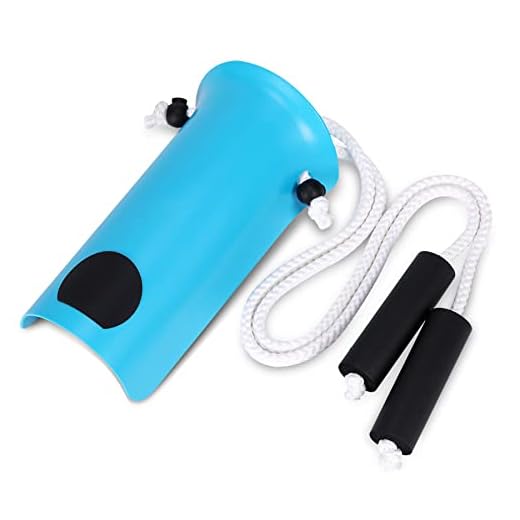
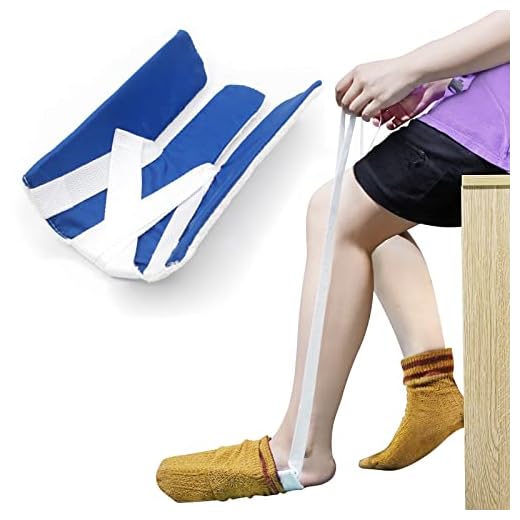
For individuals with limited mobility, the process of dressing can pose significant risks. Traditional methods often require bending or twisting, which can lead to strains or falls. Dressing aids, such as long-handled reachers or sock assist devices, can help minimize these risks. By allowing users to maintain a comfortable posture, these tools reduce the likelihood of injury during dressing routines.
In addition to physical safety, using dressing aids fosters greater independence. Individuals can dress themselves without the constant need for assistance from caregivers. This autonomy not only enhances their safety but also boosts their confidence. As practical solutions, dressing aids equip users with the means to navigate their own clothing needs safely and effectively.
The Emotional Aspects of Dressing Aids
Dressing aids can significantly impact an individual's emotional well-being, fostering a sense of independence and self-esteem. For those with limited mobility, the ability to dress without assistance can restore a sense of normalcy and control over personal appearance. This newfound autonomy contributes positively to their overall quality of life. When individuals can manage their clothing without relying on others, they often report feeling more empowered and confident in social and personal environments.
Feelings of frustration and helplessness can arise when dressing becomes a challenging task. Many individuals may feel embarrassed or dependent on caregivers for assistance, which can lead to a diminished sense of self-worth. Dressing aids provide a practical solution to these challenges, enabling individuals to approach daily dressing routines with a more positive outlook. The psychological benefits of increased independence are profound, often leading to improved mental health and a more proactive approach to other aspects of life.
Their Impact on Mental Well-Being
The use of dressing aids can significantly enhance the psychological state of individuals facing mobility challenges. By promoting independence in dressing, these aids help reduce feelings of frustration and helplessness that often accompany difficulties in daily activities. When individuals can manage their clothing choices and put on garments without assistance, it boosts their self-esteem and fosters a sense of control over their personal care.
Additionally, these tools can facilitate a more positive self-image, which is essential for mental health. Dressing well contributes to personal identity and social interaction, both of which are crucial for emotional well-being. When users feel confident in their appearance, they are more likely to engage in social activities and maintain relationships, leading to improved overall happiness and life satisfaction.
Integrating Dressing Aids into Daily Routine
Incorporating dressing aids into everyday life can lead to significant improvements in both independence and confidence. Individuals should start by selecting the right tools that suit their specific needs. Testing various aids helps determine which items provide the most comfort and efficiency. It may take time to become accustomed to using these tools, making practice essential for mastering their functionality.
Establishing a routine can also enhance the overall experience. Creating a designated dressing area with all necessary aids within reach minimizes frustration and streamlines the process. It can be helpful to set aside a specific time each day for getting dressed, as this promotes consistency and comfort. Emphasizing the positive aspects of using dressing aids enables individuals to feel empowered as they navigate their day-to-day activities.
Tips for Seamless Use
Incorporating dressing aids into daily routines can be straightforward with a few practical strategies. It is beneficial to assess the specific needs of the individual and select appropriate aids that cater to those requirements. Keeping these tools within easy reach can encourage their regular use. For example, placing a long-handled shoehorn near the entrance can streamline the process of putting on shoes. Familiarity with the aids can help develop a routine that minimizes frustration.
Practice is vital when it comes to using dressing aids effectively. Engaging in the dressing process regularly, even when feeling unmotivated, can enhance the individual’s confidence and skill in using the tools. Creating a designated space for dressing, complete with necessary aids, can foster independence. Encouragement from caregivers or family members during this process can boost morale and help reinforce the benefits of using dressing aids.
FAQS
What are dressing aids, and how do they work?
Dressing aids are specialized tools designed to assist individuals with limited mobility in putting on and taking off clothing. They work by providing support and leverage, making the dressing process easier and safer.
How can dressing aids help reduce the risk of injury?
Dressing aids can significantly reduce the risk of injury by allowing individuals to dress without straining themselves or risking falls. They offer stability and reduce the need for awkward movements that can lead to accidents.
Do dressing aids have any emotional benefits?
Yes, dressing aids can enhance mental well-being by promoting independence and self-esteem. When individuals can dress themselves with ease, they often feel more confident and empowered in their daily lives.
Can dressing aids be integrated into any daily routine?
Absolutely! Dressing aids can be easily integrated into daily routines. To ensure seamless use, it's helpful to practice with the aids regularly and position them within easy reach, making them a natural part of the dressing process.
Where can I find dressing aids suitable for my needs?
Dressing aids can be found at medical supply stores, online retailers, and specialty shops. It's important to assess your specific needs and consult with a healthcare provider or occupational therapist for personalized recommendations.
Related Links
What are Adaptive Dressing Tools and How Do They HelpWhat to Look for in Dressing Aids for Seniors