



Interpreting Pulse Oximeter Readings
A pulse oximeter measures the oxygen saturation level in your blood, which is represented as a percentage. Normal readings typically range from 95% to 100% for most healthy individuals. Values below 90% may indicate that a person's body isn't receiving enough oxygen, which could warrant further examination or immediate medical attention. It is important to consider that readings can vary slightly depending on the individual and circumstances.
Interpreting these readings goes beyond just looking at the numbers. Factors such as skin pigmentation, peripheral circulation, and nail polish can influence accuracy. Variations in body position and movement may also lead to less reliable readings. For accurate assessment, it is advisable to use the device according to manufacturer instructions and to consult with healthcare professionals if abnormal results are noted.
This is an essential article for anyone looking to learn more about the topic.
What the Numbers Really Mean
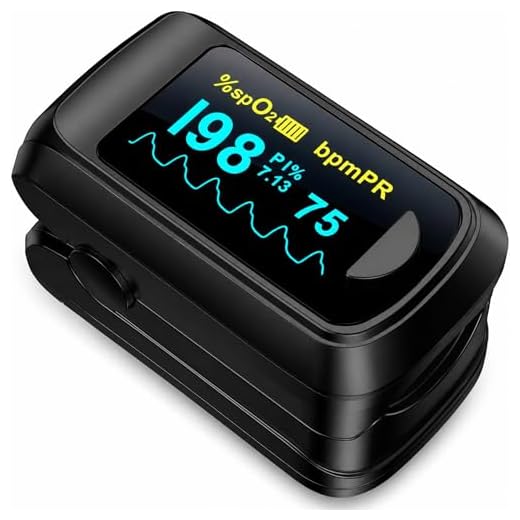
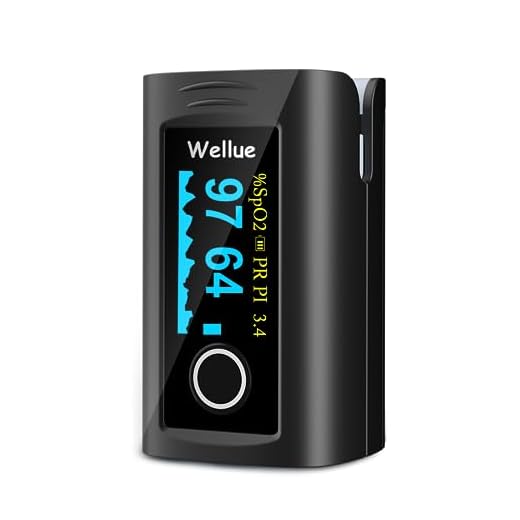
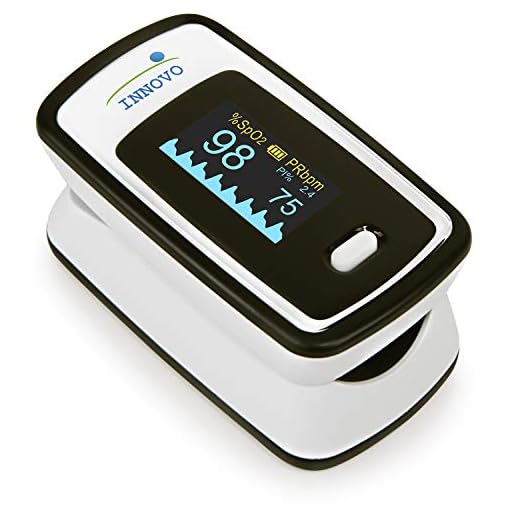
Pulse oximeter readings typically display two key figures: the oxygen saturation level, known as SpO2, and the pulse rate. The SpO2 percentage provides insight into how effectively oxygen is being transported throughout the body. Normal levels generally range from 95% to 100%. Rates below this threshold may indicate potential respiratory or circulatory issues, requiring further medical evaluation.
The pulse rate displayed represents the number of heartbeats per minute. Monitoring this value can provide information on a person's cardiovascular health. A normal resting heart rate for adults typically falls between 60 to 100 beats per minute. Variations outside of this range, whether elevated or decreased, can signal underlying health concerns and may warrant attention or intervention.
Factors Affecting Pulse Oximeter Accuracy
The accuracy of a pulse oximeter can be influenced by several factors, including movement and peripheral perfusion. If a person is restless or fidgeting during the measurement, this can lead to erratic readings. Additionally, low blood flow to the extremities, which may occur in cold environments or due to certain medical conditions, can affect the device's ability to accurately gauge oxygen saturation levels.
Skin pigmentation and the presence of nail polish or artificial nails can also interfere with pulse oximeter readings. Darker skin can absorb and scatter light differently, potentially skewing results. Similarly, certain types of nail coatings may obstruct the sensor's access to blood flow beneath the nail, resulting in less reliable measurements.
Common Issues to Consider
Several factors can compromise the accuracy of a pulse oximeter. Poor circulation in the fingers, which can result from cold temperatures, low blood pressure, or even certain medical conditions, may lead to misleading readings. Nail polish or artificial nails can also interfere with light transmission, making it difficult for the device to capture an accurate measurement of blood oxygen levels. Additionally, movement during the reading can introduce errors, as the device relies on steady readings to calculate accurate results.
Skin pigmentation is another aspect that can impact the efficacy of pulse oximeters. Darker skin tones may not provide the same level of accuracy in readings compared to lighter skin tones. Certain medical conditions, such as carbon monoxide poisoning, can also skew results as they may cause a false elevation in oxygen saturation levels. Awareness of these issues is essential for users to ensure they interpret readings correctly and seek medical advice when necessary.
Benefits of Using a Pulse Oximeter
A pulse oximeter serves as an invaluable tool for both patients and healthcare providers. It enables quick and non-invasive monitoring of oxygen saturation levels in the blood. This capability allows for efficient assessment of respiratory conditions, particularly in patients with chronic obstructive pulmonary disease (COPD) or asthma. Additionally, it plays a crucial role in emergency situations, such as during surgery or in critical care settings, where maintaining adequate oxygen levels is essential for patient safety.
The convenience of using a pulse oximeter extends to home care as well. Patients can keep track of their oxygen saturation year-round, allowing for timely adjustments to medication or therapy as needed. This proactive approach helps in identifying potential health issues early, promoting better management of chronic conditions. Overall, the accessibility of pulse oximeters makes them an effective resource for enhancing patient outcomes and fostering a more informed approach to personal health management.
Health Monitoring and Emergency Situations
Pulse oximeters serve as valuable tools in both routine health monitoring and urgent medical situations. They provide immediate, accurate readings of blood oxygen saturation levels, allowing for quick assessments of respiratory function. This capability can be particularly important for individuals with conditions that affect lung function, such as asthma or COPD. Regular monitoring can help track the effectiveness of treatment plans and provide early signs of potential complications.
In emergency scenarios, pulse oximeters can help first responders quickly determine a patient’s oxygen status. Fast access to this information aids in decision-making regarding interventions like supplemental oxygen. For individuals experiencing symptoms such as shortness of breath, using a pulse oximeter can provide reassurance or indicate the need for immediate medical attention. Their portability and simplicity make them an essential asset in both home care and professional healthcare environments.
FAQS
What is a pulse oximeter?
A pulse oximeter is a non-invasive device that measures the oxygen saturation level in your blood, providing important information about your respiratory and circulatory health.
How does a pulse oximeter work?
A pulse oximeter works by emitting light through the skin, typically on a fingertip, and measuring how much of that light is absorbed by oxygenated and deoxygenated blood, which helps to determine the oxygen saturation percentage.
What are normal pulse oximeter readings?
Normal pulse oximeter readings typically range from 95% to 100%. Readings below 90% may indicate a need for medical attention, as they can suggest insufficient oxygenation.
Can factors affect the accuracy of pulse oximeter readings?
Yes, several factors can affect accuracy, including poor circulation, skin pigmentation, nail polish, and movements during measurement. It's essential to ensure proper placement and conditions for an accurate reading.
Why is a pulse oximeter useful in health monitoring?
A pulse oximeter is useful for monitoring oxygen saturation levels in various situations, including chronic respiratory conditions, during exercise, and in emergency scenarios to quickly assess a person's oxygenation status.
Related Links
What to Look for When Buying a Pulse OximeterHow to Use a Pulse Oximeter Effectively
Latest Innovations in Pulse Oximeter Technology