

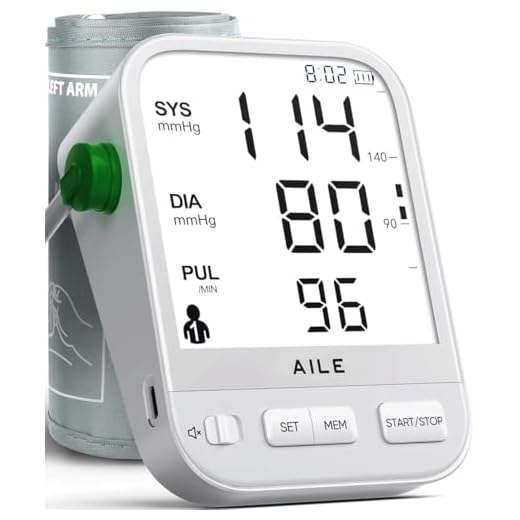
Portability and Ease of Use
When choosing a blood pressure monitor, portability plays a crucial role, especially for those who travel frequently or want to monitor their health on the go. Compact designs that fit easily in bags or purses make it convenient to carry from one location to another. Many models are designed with lightweight materials, further enhancing their travel-friendliness. Look for features such as built-in cases or foldable components, which can simplify transport without compromising accuracy.
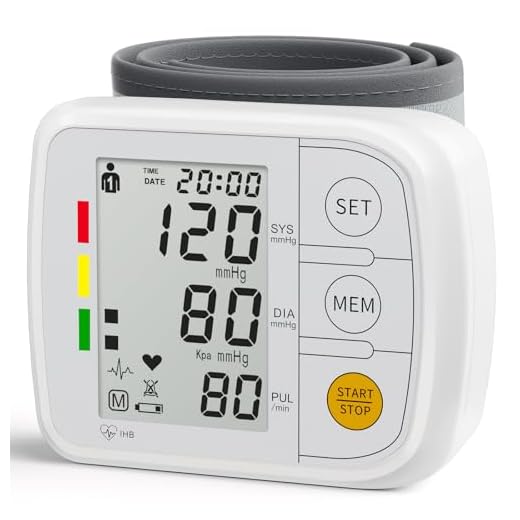
Ease of use is equally important in selecting a monitor. Devices with clear displays, simple interfaces, and intuitive buttons can make the measurement process quick and stress-free. Some products offer automatic inflation features, eliminating the need for manual pumping and making it easier for users of all ages, including seniors with limited dexterity. Comprehensive user manuals and customer support options can also enhance the experience, ensuring that users feel confident while taking their readings.
Check out this site for more information.
Battery Life and Travel-Friendly Options
Battery life is a critical factor to consider when selecting a blood pressure monitor, especially for those who travel frequently. Devices with longer battery life allow for consistent monitoring without the need for frequent recharging or replacing batteries. Many monitors offer energy-saving features, such as automatic shut-off after a period of inactivity, which can extend battery life significantly.
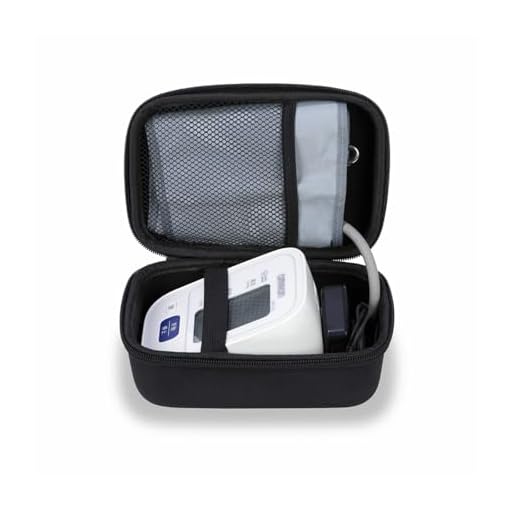
For those on the go, travel-friendly options are essential. Look for compact and lightweight models that fit easily into a bag or suitcase. Some monitors come with travel cases, making it convenient to carry them without worrying about damage. Consider the power options available; models that can operate on both batteries and AC power can be particularly versatile for various travel settings.
Connectivity Options
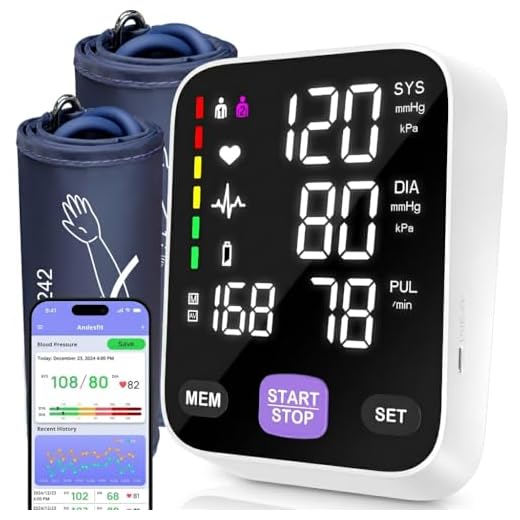
In an increasingly tech-savvy world, many blood pressure monitors now come equipped with connectivity features. Some devices offer Bluetooth capabilities, allowing users to sync data directly to smartphones or tablets. This integration can simplify record-keeping by providing easy access to readings. Additionally, certain monitors pair with mobile applications, offering users a user-friendly platform to track trends over time and share information with healthcare professionals.
The convenience of connectivity is especially beneficial for those managing chronic conditions or monitoring their health proactively. Mobile app integration often includes features such as reminders for regular measurements and personalized health tips. Assessing these connectivity options can enhance the overall user experience and help make managing blood pressure more efficient.
Bluetooth and Mobile App Integration
Many blood pressure monitors now come equipped with Bluetooth technology, allowing seamless data transfer to smartphones and tablets. This feature enables users to track their readings over time, providing a clearer picture of their health trends. Mobile apps associated with these devices often offer additional functionalities, such as reminders to measure blood pressure or tips for managing hypertension.
Integration with mobile apps can enhance the overall user experience significantly. Users can share their data easily with healthcare providers, facilitating better communication and personalized care. Some apps also provide educational resources and community support, making it easier for individuals to stay informed and encouraged in managing their health.
Price Range and Budgeting
When considering the purchase of a blood pressure monitor, it's essential to assess the price range and establish a budget that aligns with your financial situation. Basic models can be quite affordable, often found for under $50. These options typically offer the essential functions needed to monitor blood pressure accurately. On the other hand, advanced monitors packed with features such as touchscreens, multiple user profiles, and smartphone connectivity can range from $100 to over $200. Different brands and technologies also influence price, so conducting thorough research is vital.
Determining the best value involves more than just looking at price tags. Features, accuracy, ease of use, and warranty offerings should all be evaluated against your needs. Health professionals often recommend models that have been validated for accuracy, which may come with a higher cost but provide reliable readings. Consider how frequently you plan to use the monitor and whether you require additional functionalities, as these factors will help you make an informed decision that balances quality and affordability.
Finding the Best Value for Your Needs
When shopping for a blood pressure monitor, consider your specific needs and preferences. Each device comes with varying features that cater to different lifestyles and health requirements. Assess the accuracy and reliability of the monitor, ensuring it meets medical standards. Take note of additional features like memory storage for previous readings or alerts for irregular heartbeats. These aspects can significantly enhance your user experience.
Budget considerations are also essential when looking for value. Blood pressure monitors can range from basic models to advanced ones with extra functionalities. Determine what features are necessary for your monitoring routine and what you can live without. Investing in a higher-priced model may be worthwhile if it offers better accuracy or connectivity options that align with your health tracking goals. This approach can result in a more effective tool for managing blood pressure over time.
FAQS
What should I consider regarding portability when buying a blood pressure monitor?
Portability is essential if you plan to use the monitor while traveling. Look for compact models that are lightweight and easy to carry, as well as those with travel-friendly features like protective cases and battery operation.
How long do the batteries typically last in blood pressure monitors?
Battery life can vary by model, but many blood pressure monitors have a lifespan ranging from several months to a couple of years with regular use. It's advisable to check the specifications for battery life and consider options that are easy to replace or recharge.
What are the benefits of having a blood pressure monitor with Bluetooth connectivity?
Bluetooth connectivity allows you to sync your blood pressure readings with a mobile app, making it easier to track your health over time, share data with healthcare providers, and set reminders for regular monitoring.
Are blood pressure monitors with app integration more expensive?
While some models with app integration may be pricier, there are budget-friendly options available that offer this feature. It's important to compare prices and functionalities to find the best value for your needs.
How can I determine the best value when selecting a blood pressure monitor?
Consider factors such as accuracy, ease of use, features (like connectivity and memory storage), and warranty. Reading reviews and comparing different models within your budget can also help ensure you get a quality product that meets your needs.
Related Links
What Factors Influence Blood Pressure ReadingsHow to Properly Use a Blood Pressure Monitor at Home