




Caring for the Seat and Upholstery
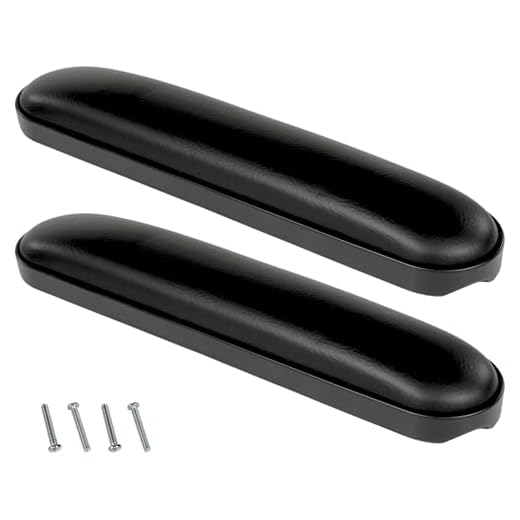
The condition of the seat and upholstery plays a vital role in the overall comfort and functionality of a wheelchair. Regular cleaning is essential to maintain its appearance and hygienic standards. Use a mild soap solution and a soft cloth for routine wipes down. For more stubborn stains, consider using a fabric cleaner that is safe for upholstery. Always check the care label before applying any cleaning products to avoid damaging the material.
In addition to routine cleaning, inspect the seat and upholstery periodically for signs of wear or damage. Look for fraying seams, torn fabric, or any areas that may have lost padding. Making necessary repairs promptly can prolong the life of the seat. If you notice significant damage, replacing the upholstery may be a more effective solution. By taking these steps, you can ensure that your wheelchair remains comfortable and functional for years to come.
More tips and tricks can be found here.

Tips for Cleaning and Repairing
Regular cleaning of your wheelchair is essential for maintaining its appearance and functionality. Use a mild soap solution and a soft cloth to wipe down the seat and backrest. This helps remove dirt and oils that can accumulate over time. For tougher stains, consider using a specialized upholstery cleaner that is safe for the materials used in your wheelchair. Always test any cleaning product on a small, inconspicuous area first to ensure it won’t cause damage.
Repairing minor damages promptly can prevent larger issues. Inspect the upholstery for tears or fraying and use a fabric adhesive or patch kit designed for the material. For scratches or scuffs on the frame, touch-up paint can help restore its appearance. Ensure that any repairs preserve the functional aspects of the wheelchair, maintaining its safety and comfort. Regularly check for loose bolts or screws and tighten them as needed to keep everything secure.
Lubricating Moving Parts
Regular lubrication of moving parts is essential for ensuring a smooth and efficient ride. Wheelchairs typically have several key components that require attention, including wheels, casters, and any folding mechanisms. Using a suitable lubricant helps reduce friction, which can wear down parts over time. It’s important to choose a product specifically designed for this purpose, as some household lubricants might not be appropriate for the materials commonly used in wheelchairs.
When performing maintenance, inspect each moving part closely for any signs of wear or damage. Applying lubricant sparingly is key; excess lubricant can attract dirt and debris, which may lead to additional wear. Focus on areas like wheel axles, bearings, and folding joints, making sure to clean them before applying the lubricant. This proactive approach not only enhances performance but also contributes to a longer lifespan for your wheelchair.
Best Practices for Optimal Performance
Regular maintenance of the wheelchair’s moving parts is essential for ensuring smooth operation. Inspect wheel bearings, casters, and any pivot points consistently. Clean any dirt or debris that might accumulate, as this can cause wear and tear over time. A routine examination helps identify issues early, preventing more significant problems that could affect overall performance.
Using appropriate lubricants is crucial in keeping the wheelchair functioning well. Silicone-based sprays are often recommended as they do not attract dust and grime. Apply lubricant carefully to areas that show signs of friction, such as the hinges and wheel axles. Following the manufacturer's guidelines for maintenance intervals ensures that the wheelchair remains in top condition and safe for the user.
Storing Your Wheelchair Properly
Proper storage of a wheelchair is essential for maintaining its functionality and lifespan. When not in use, the wheelchair should be kept in a dry, climate-controlled environment to prevent rust or damage from moisture. Avoid placing heavy objects on top of the wheelchair, as this can lead to structural issues. It’s beneficial to keep the tires and wheels off the floor, which helps avoid flat spots and maintains their shape.
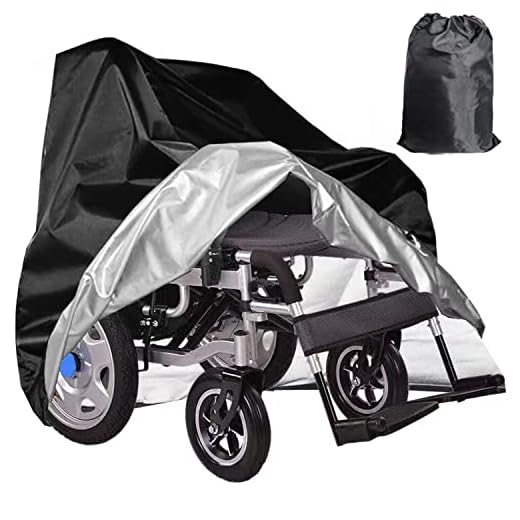
When storing outdoors or in less-than-ideal conditions, consider using a protective cover. This will shield the wheelchair from dust, dirt, and potential UV damage if exposed to sunlight. Regularly check the condition of the stored wheelchair, ensuring that all moving parts remain operable and free from obstruction. Following these guidelines promotes a longer life for the wheelchair and ensures it remains ready for use when needed.
Environment Considerations for Longevity
Proper storage of your wheelchair plays a crucial role in its longevity. When not in use, keep the wheelchair in a dry, temperature-controlled environment to prevent moisture damage and rust. Avoid leaving it in extreme temperatures, whether hot or cold, as these conditions can degrade materials over time. Using a protective cover can further shield it from dust and debris, ensuring the upholstery and moving parts remain in good condition.
Moreover, consider the flooring where the wheelchair typically resides. Surfaces such as concrete or gravel can wear down the wheels more quickly than smoother surfaces like wood or tile. If your wheelchair has to be stored outdoors, look for a shaded and sheltered spot that minimizes exposure to the elements. These precautions help maintain the structural integrity of the wheelchair and ensure optimal functionality during use.
FAQS
How often should I clean my wheelchair?
It’s recommended to clean your wheelchair at least once a week to remove dirt and debris, but you should also do a deeper clean monthly to maintain its condition.
What cleaning products are safe to use on my wheelchair?
Mild soap and water are usually safe for cleaning most wheelchairs. Avoid harsh chemicals and solvents that could damage the upholstery or frame.
How can I tell if my wheelchair needs lubrication?
If you notice any squeaking sounds, difficulty in maneuvering, or resistance in the moving parts, it’s time to lubricate your wheelchair.
What is the best way to store my wheelchair when not in use?
Store your wheelchair in a dry, cool place away from direct sunlight and extreme temperatures to prevent damage to the frame and upholstery.
Are there specific environmental considerations for storing my wheelchair?
Yes, ensure that the storage area is free from moisture and extreme temperatures, as these conditions can lead to rust and wear on the materials over time.