



How to Maintain Your Walker for Longevity
Adjusting Height and Settings
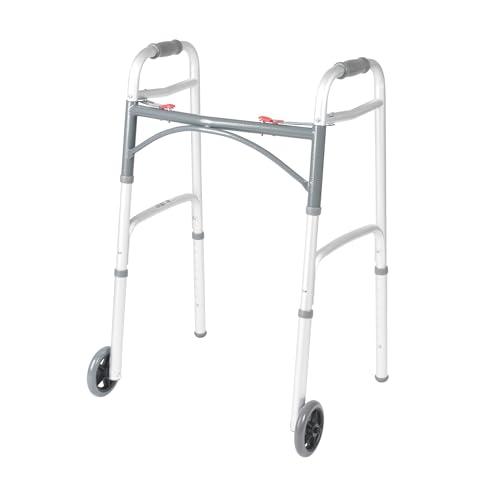
Proper adjustment of your walker’s height is essential for both safety and comfort. The correct height allows for optimal posture while using the walker, reducing strain on your back and arms. When adjusting, ensure that the handles align with your wrist when your arms hang comfortably at your sides. Most walkers have adjustable legs or settings that allow for easy modification.
Regularly checking the settings is also important. Over time, wear and tear may cause the height to shift unintentionally. Make it a habit to inspect these settings frequently. A snug fit ensures that the walker supports your weight effectively. If you notice any wobbliness or instability, promptly make the necessary adjustments to maintain a secure and reliable walking aid.
Discover more here.
Ensuring the Perfect Fit for Comfort and Safety
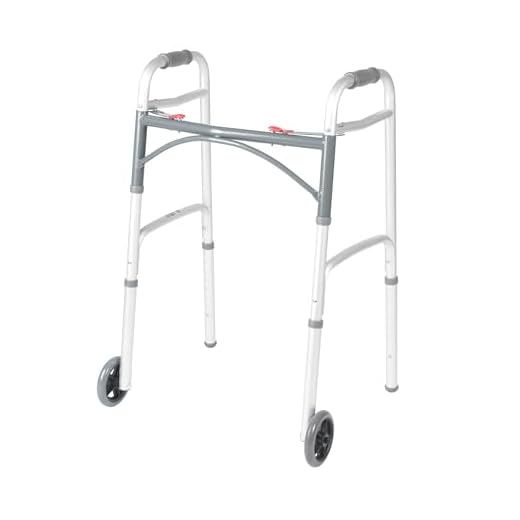
Finding the right height for your walker can significantly enhance your comfort and safety during use. Ideally, the handlebars should align with your wrists when your arms hang naturally at your sides. Adjusting the height to this level allows for optimal posture and stability. When in a standing position, you should be able to grip the handles without having to reach up or bend down too much, which can lead to strain or discomfort.
Properly fitting your walker also involves checking other settings such as brake tension and wheel alignment. Brakes should engage smoothly without sticking, ensuring that the walker remains stationary when needed. Wheels should rotate freely without obstruction. This balance of height and mechanical function contributes to an overall safer experience, allowing you to navigate various terrains with confidence. Regular checks for fit adjustments will encourage long-term usability.
Storing Your Walker Safely
Proper storage of your walker is essential for maintaining its condition. Choose a dry, clean area where it will not be exposed to moisture or extreme temperatures. Avoid placing heavy objects on or near the walker during storage, as this could lead to bending or damage. If the walker has removable parts, detach them to save space and prevent potential wear.
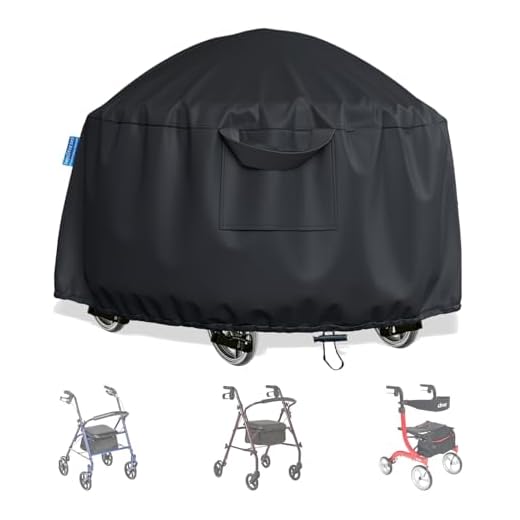
It is advisable to keep the walker upright whenever possible. Use a wall or corner to stabilize it and prevent tipping. Consider investing in a covering to protect it from dust and dirt. Regularly inspect the walker while in storage to catch any signs of wear or damage early. This proactive approach ensures your walker remains in excellent working condition for when you need it.
Tips for Preventing Damage During Storage
To safeguard your walker during storage, choose a dry, cool location. Moisture can lead to rust and deterioration of metal components. Ensure that the area is free from direct sunlight, as prolonged exposure can weaken plastic parts and cause fading. Keeping the walker elevated on a flat surface can help prevent any damage from contact with the ground.
It is also wise to disassemble any removable parts if possible. This allows for a more compact storage solution, reducing the risk of bending or breaking. Use protective covers or bags to shield it from dust and debris while stored. Periodically check on the walker to ensure it remains in good condition and is ready for use when needed.
When to Replace Parts
Regular inspection of your walker is essential for ensuring its safety and functionality. Look for signs of wear on wheels, brakes, and handgrips. If you notice any uneven wear, slipping, or difficulty in maneuvering, these could indicate that parts need replacement. Frequent use can lead to deterioration, affecting the overall performance of the walker. Keeping an eye on these components can prevent accidents and enhance user confidence.
Another important aspect of maintenance involves listening for unusual noises during use. Squeaking or grinding sounds can suggest that wheels are damaged or that lubrication is needed. Additionally, check for any bending or cracks in the frame, as these structural issues may compromise stability. Always consult the user manual for specific guidelines on when to replace parts, ensuring that you maintain the walker in optimal condition for daily use.
Identifying Signs That Parts Need Replacement
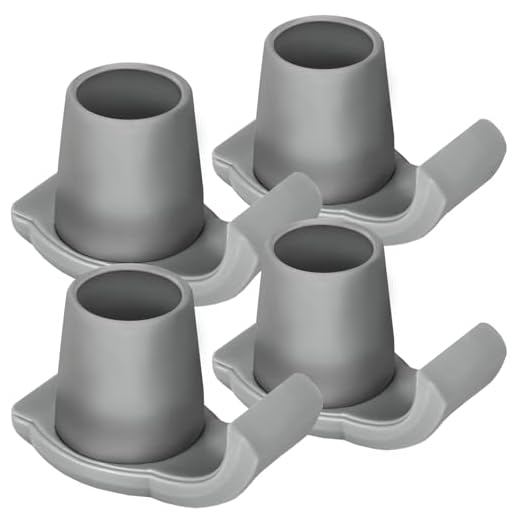
Regular inspection of your walker is essential to ensure its safety and effectiveness. Look for any noticeable signs of wear and tear, such as frayed grips, loose screws, or rust on metal parts. If the wheels do not roll smoothly or make unusual sounds, this may indicate that they need replacement. Additionally, check the rubber tips for excessive wear; if they are worn down, they may not provide adequate traction, increasing the risk of slips and falls.
Another important aspect to consider is the overall stability of the walker. If it wobbles when in use or feels insecure, components may be compromised. Listen for any creaks or unusual noises when the walker is in motion, as these can signal internal issues. Thoroughly assess the frame for any cracks or bends. Immediate attention to these indicators can help maintain the walker's functionality and ensure safety during use.
FAQS
How often should I check the height and settings of my walker?
It is recommended to check the height and settings of your walker every few months or whenever you notice discomfort or instability while using it.
What is the best way to store my walker when not in use?
Store your walker in a dry, cool place, away from direct sunlight and moisture, to prevent rust and damage. Make sure it's folded or placed in a way that it won't tip over.
How can I tell if my walker needs new parts?
Look for signs such as loose wheels, difficulty in folding, excessive wear on grips, or any unusual noises while using the walker. If you notice any of these issues, it's time to consider replacing parts.
Is it important to clean my walker regularly?
Yes, regularly cleaning your walker helps maintain its functionality and appearance. Wipe down the frame, wheels, and grips with a damp cloth and mild detergent as needed.
Can I make adjustments to my walker myself?
Yes, most walkers allow for simple adjustments such as height changes. However, if you are unsure or uncomfortable making adjustments, it's best to consult the user manual or seek assistance from a healthcare professional.
Related Links
How to Choose the Right Walker for Your NeedsWhat to Look for in a Walker for Increased Stability