



Budgeting for Your Wheelchair
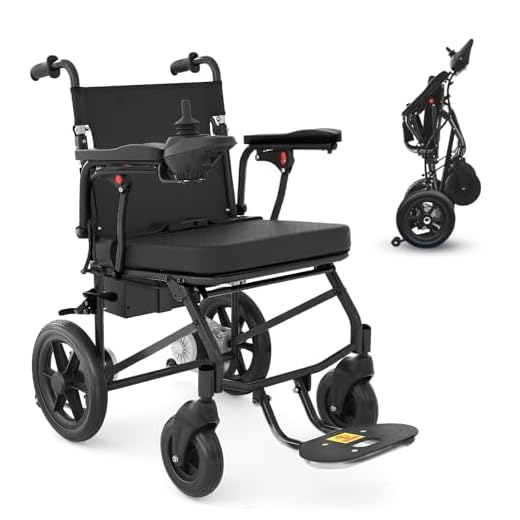
When considering a wheelchair, it is essential to establish a realistic budget. Wheelchairs can vary significantly in price based on their features, durability, and type. Basic manual wheelchairs may start at a few hundred dollars, while advanced electric models can exceed several thousand. It's important to be clear about your financial limits and what features you genuinely need versus what might be considered extras.
Insurance coverage can play a significant role in your overall budget. Some insurance plans may fully or partially cover the costs of wheelchairs, but this depends on individual coverage policies and the need for medical justification. Familiarizing yourself with your insurance benefits can help alleviate some financial burdens. Don't forget to explore any potential grants or community resources that could assist with funding, as these can provide additional support for your purchase.
Get more info by visiting this post.
Understanding Costs and Insurance Coverage
When considering a wheelchair, it's essential to gather information regarding its cost. Prices can vary widely depending on features, brand reputation, and customization options. Basic models may start at a few hundred dollars, while high-end, specialized wheelchairs can cost several thousand. Budgeting for accessories like cushions or footrests can also impact the overall expense. Understanding all associated costs helps in making a financially sound decision.
Insurance coverage can significantly affect out-of-pocket expenses. Many health insurance policies cover a portion of the cost for medically necessary wheelchairs, but specifics often depend on the plan’s details. It’s advisable to check with your insurance provider for clarity on the coverage process. Obtaining prior authorization from your healthcare provider may be necessary to ensure that you receive the appropriate financial support.
Researching Brands and Models
Before making a purchase, it is crucial to explore various brands and models available in the market. Each brand often specializes in different features and designs, catering to specific user needs. Factors such as weight, portability, and comfort should play a significant role in the decision-making process. Beyond aesthetics, consider the technical specifications that align with individual requirements, from seat width and height adjustments to wheel types and added functionalities.
Reading reviews and testimonials can provide valuable insight into the performance and durability of different models. Engaging with user forums may also yield firsthand experiences that highlight the pros and cons of specific options. It’s beneficial to jot down a list of potential brands and models that stand out during your research. This methodical approach aids in comparing features and prices, allowing for a well-informed selection that best meets personal preferences and mobility needs.
Top Brands Known for Quality
Several manufacturers have established themselves as leaders in the wheelchair industry, known for their commitment to quality and durability. Invacare is one such brand, offering a variety of models that cater to different mobility needs. Their wheelchairs are designed with user comfort in mind and often come equipped with adjustable features. Another prominent name is Permobil, recognized for incorporating advanced technology into their products, which can greatly enhance user experience through customized options.
Sunrise Medical also stands out, featuring a diverse range of wheelchairs, from manual to powered options. Their focus on innovative design ensures that users gain both functionality and aesthetic appeal. Additionally, Quickie has a strong reputation for lightweight manual wheelchairs that provide agility and ease of transport. These brands consistently receive high marks for customer satisfaction, reflecting their dedication to meeting the varied needs of wheelchair users.
Testing Before You Buy
Before making a purchase, it's essential to test the wheelchair to ensure it meets your specific needs. This can involve visiting local medical supply stores, rehabilitation centers, or events focused on mobility aids. Many manufacturers offer opportunities for individuals to try out different models. This hands-on experience can provide valuable insight into how each wheelchair performs in terms of comfort, maneuverability, and functionality.
Pay attention to the features that matter most to you during the testing process. Factors such as weight, portability, responsiveness, and seat height can significantly influence daily use. Take note of how easy it is to navigate through various environments, including tight spaces and uneven surfaces. Engaging with the product in real-world scenarios will help ensure that the selected wheelchair aligns with your lifestyle and requirements.
Finding Opportunities for Trials
Many manufacturers and retailers offer trial periods for their wheelchairs, allowing potential users to experience different models before making a purchase. This opportunity can be invaluable as it enables users to assess comfort, maneuverability, and overall fit. Local rehabilitation centers and mobility organizations may also provide chances to test various wheelchairs. Checking community resources can reveal options that might not be immediately obvious.
Online platforms increasingly facilitate trial programs by connecting users with a variety of wheelchair brands. These platforms often allow users to schedule trials at home or nearby locations, simplifying the process of evaluating multiple options. Additionally, discussing with healthcare professionals can lead to recommendations for places where trial opportunities are available. Engaging in thorough research and asking the right questions can significantly enhance the chances of finding a wheelchair that meets individual needs.
FAQS
How much should I budget for a wheelchair?
The cost of a wheelchair can vary widely based on the type, brand, and features. Basic manual wheelchairs can start around $200, while electric wheelchairs can range from $1,500 to over $10,000. It's essential to assess your specific needs and explore insurance coverage options to create a suitable budget.
What types of insurance can help cover the cost of a wheelchair?
Many health insurance plans, including Medicare and Medicaid, may cover part of the cost of a wheelchair if it is deemed medically necessary. It's important to check with your insurance provider to understand your coverage details and any required documentation.
What are some reputable brands to consider when choosing a wheelchair?
Some top brands known for their quality wheelchairs include Invacare, Sunrise Medical, Permobil, and Pride Mobility. Researching these brands can help you find models that meet your specific needs and preferences.
How can I test a wheelchair before making a purchase?
Many medical supply stores and specialized wheelchair retailers offer trial periods or demo models that you can test. Additionally, some manufacturers may provide opportunities for you to try their products at events or through healthcare providers.
What features should I consider when selecting a wheelchair?
When choosing a wheelchair, consider factors such as weight, size, comfort, maneuverability, and whether you need a manual or electric model. It's also essential to think about how you will be using the wheelchair, including transportation and storage needs.