

Best Adaptive Spoons
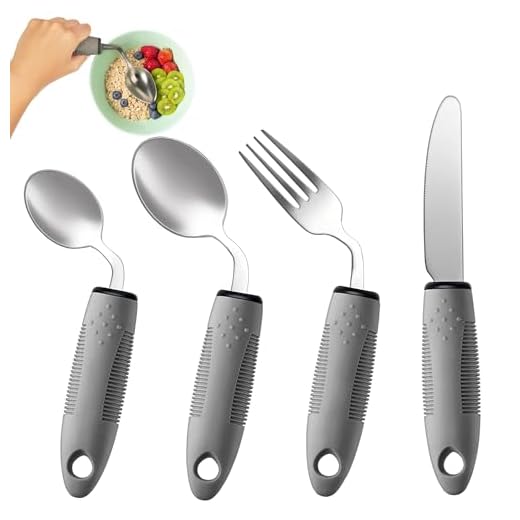
Finding the right spoon can greatly enhance the dining experience for individuals with limited dexterity. Manufacturers have developed adaptive spoons that feature ergonomic designs tailored to provide a more comfortable grip. Many come with soft, non-slip handles that allow for better control, making it easier for users to scoop food without the risk of dropping it. Some models even incorporate angled bowls that help in reaching the mouth with minimal effort.
Adaptive spoons are also available with varying bowl depths and widths to accommodate different food types. For those needing extra assistance, certain designs include built-in stabilizers or wrist straps that promote stability. These innovative features ensure that eating remains a more enjoyable and independent activity for users, allowing them to focus less on the mechanics and more on the meal itself.
Have a peek at this blog for further readings.

Unique Designs for Enhanced Grip
Adaptive spoons have evolved significantly, focusing on ergonomics and grip enhancement. Many of the leading designs incorporate a wider handle that allows users to grasp the utensil comfortably, reducing strain during meals. Textured surfaces have become increasingly common, providing additional friction. Users can hold the spoon more securely, which is especially beneficial for individuals with limited dexterity.
Some models also feature angled heads, which help users scoop food more easily without needing to reposition their hands frequently. The innovative shapes cater to different user needs, including various levels of hand strength and coordination. These designs not only promote independence during mealtime but also contribute to a more positive dining experience. The thoughtful engineering behind these utensils demonstrates a commitment to inclusivity in everyday activities.
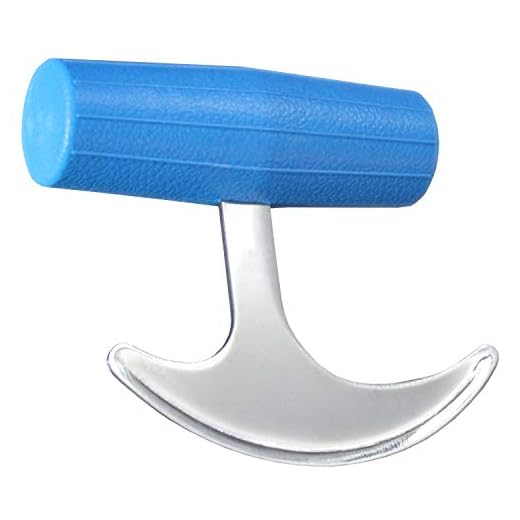
Best Adaptive Knives
Finding the right knife can significantly enhance the dining experience for individuals with limited motor skills. Today’s market offers a variety of adaptive knives designed to ensure safety and promote independence. Models featuring ergonomic handles allow for a more comfortable grip, enabling users to slice with precision. Some knives incorporate specialized blades that reduce the amount of pressure needed to cut through food, making mealtimes less frustrating and more enjoyable.
Additionally, many adaptive knives come with built-in safety features that minimize the risk of accidental cuts. Guard designs and non-slip bases help to keep the user's hand in a secure position while cutting. Easy-to-clean materials make maintenance a breeze, ensuring that utensils remain hygienic for everyday use. Each of these innovations reflects a commitment to enhancing functionality without compromising safety, addressing the needs of users more effectively than traditional designs.
Safety and Ease of Use
Adaptive knives are specifically designed with safety in mind, featuring rounded tips to reduce the risk of accidental cuts. Many models include a non-slip grip, providing better control during use. These designs allow users with limited hand strength or dexterity to handle knives safely and effectively. Moreover, some adaptive knives incorporate locking mechanisms that ensure the blade remains securely in place while cutting, further enhancing safety.
Ease of use is a vital aspect of adaptive utensils. Ergonomically shaped handles not only promote comfort but also reduce the likelihood of hand strain over extended periods. Lightweight materials play a crucial role in this, allowing users to maintain maneuverability without excessive effort. Additionally, some options include built-in guides that help users cut through various foods with precision, minimizing frustration and enhancing the overall dining experience.
Innovative Adaptive Utensil Designs
Adaptive utensils have evolved significantly with the integration of modern technology, making everyday tasks more manageable for individuals with various disabilities. Many designs now incorporate features such as adjustable handles and ergonomic grips, allowing users to customize their experience. The aim is to enhance comfort and control while eating or preparing food. Specific models feature materials that improve tactile feedback or offer thermal regulation, ensuring that users can engage safely and efficiently with their meals.
Another exciting development in utensil design focuses on tools that incorporate smart technology. Some products are equipped with sensors that can detect grip strength or motion, providing real-time feedback to help improve users’ techniques. Additionally, a few designs connect to mobile apps, which can offer guided exercises or track progress over time. This intersection of adaptive functionality and advanced technology not only aims to improve the user experience but also encourages independence and confidence during mealtime tasks.
Exploring New Technology
Recent advancements in materials and design have given rise to highly innovative adaptive utensils. Manufacturers are integrating ergonomic features that cater to various physical needs. For instance, utensils with adjustable handles allow users to customize the grip width, ensuring comfort during meals. Additionally, lightweight materials are being used to reduce strain on the wrist and hand, making dining a more enjoyable experience for individuals with mobility challenges.
Some brands are also incorporating smart technology into their adaptive utensils. These smart forks and spoons can provide feedback on food intake or track nutrition, helping users maintain a balanced diet with minimal effort. By blending technology with practicality, these utensils not only promote independence but also enhance overall dining experiences for users.
FAQS
What are adaptive utensils?
Adaptive utensils are specially designed eating tools that assist individuals with limited mobility, dexterity, or other physical challenges, allowing them to eat more independently and comfortably.
How do I choose the right adaptive utensil for my needs?
When choosing adaptive utensils, consider factors such as grip, weight, and design. It’s important to select utensils that feel comfortable and secure in your hand and accommodate your specific needs.
Are adaptive utensils expensive?
The price of adaptive utensils can vary widely based on the design, materials, and technology used. There are options available at different price points, so it’s possible to find a suitable utensil that fits your budget.
Can adaptive utensils be used by children?
Yes, there are adaptive utensils designed specifically for children. These utensils often feature smaller sizes and vibrant colors to encourage children to eat independently while accommodating their developmental needs.
Where can I purchase adaptive utensils?
Adaptive utensils can be purchased from various sources, including online retailers, specialty medical supply stores, and some larger department stores. It’s advisable to check for reputable brands known for quality and safety.