


Testing Utensil Handles
Selecting the right utensil handles is crucial for anyone seeking improved grip and comfort. Begin by assessing the material of the handle. Some materials provide more rigidity, while others offer flexibility. Experimenting with various finishes can help determine what feels most comfortable, as textured handles may enhance grip for individuals with limited hand strength.
Testing various handle sizes can also contribute to finding the best fit. Handles that are too thin may be difficult to hold, whereas thick handles might feel overwhelming. Holding utensils for an extended period can reveal how well they accommodate individual hand sizes and gripping styles. Trying out different shapes—such as ergonomic or contoured designs—can further enhance usability and overall dining experience.
Here is a super informative post that goes into more detail.
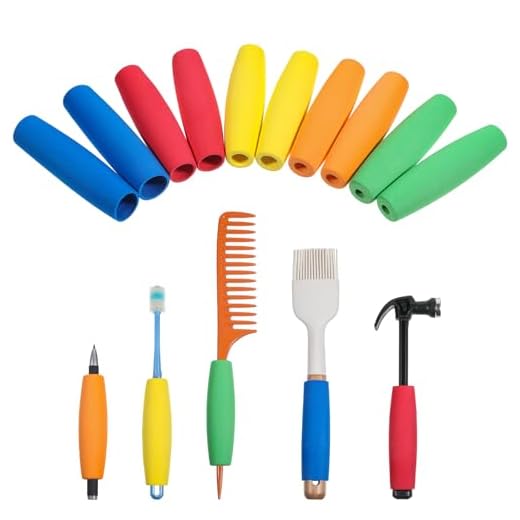
Finding the Right Thickness and Shape
Selecting the right thickness and shape of adaptive utensils is crucial for enhancing grip. A thicker handle can be easier to hold for individuals with limited hand strength or dexterity. Additionally, oval or contoured shapes may offer a more comfortable fit for the fingers, reducing fatigue during meals. Testing various handle designs can help identify which shape feels most secure and comfortable.
The size of the utensil’s handle should align with the user’s hand dimensions. A handle that is too thin might slip out of the grip or become uncomfortable during extended use. Conversely, a handle that is excessively bulky may hinder fine motor control. Trying out different options allows for a personalized fit that caters to individual needs, promoting a more enjoyable dining experience.
Weight and Balance Factors
When selecting adaptive utensils, weight and balance play a crucial role in their effectiveness. A utensil that feels too heavy can lead to fatigue during meals, while one that is too light may be difficult to control. The right weight should provide enough substance for stability without becoming a burden. Ideally, balanced utensils allow for natural movements, reducing the strain on the hand and wrist while promoting greater independence during eating.
Customizing a utensil's balance can significantly impact a person's dining experience. A well-designed utensil distributes weight evenly, enhancing the user's ability to maneuver food with minimal effort. Test various options to gauge how each utensil feels during use, as comfort can differ greatly from person to person. Consideration of these factors will guide users towards tools that enhance their individual dining experience without compromising control or stability.
The Impact on Control and Stability
When considering adaptive utensils, the weight and balance play critical roles in ensuring users can maintain control while eating. Heavier utensils may provide a sense of stability for some individuals but can also lead to fatigue during prolonged use. An optimal weight allows for easier maneuvering, enabling a more relaxed grip and reducing strain on the hands and wrists. Finding the right balance is essential; utensils that are too light may be difficult to control, while those that are too heavy can hinder movement.
The shape of the utensil can also significantly affect stability. Ergonomically designed handles can provide a more secure grip, helping users maintain control during meals. Wider handles often help distribute pressure evenly across the hand, reducing fatigue. Additionally, contours that fit comfortably in the fingers can improve the feeling of security, allowing for more precise movements. Selecting utensils that promote a stable grip can enhance overall dining experiences.
Personal Preferences
When selecting adaptive utensils, individual tastes and preferences play a crucial role in ensuring comfort and usability. Some users may prefer a classic design that resembles standard kitchen tools, while others might lean towards more innovative, ergonomic shapes. Material choices can also impact the overall experience, with options ranging from stainless steel to more lightweight alternatives like plastic or silicone. Each user should consider what feels best in their hand for extended periods of use.
Aesthetics can enhance motivation and enjoyment in meal preparation and consumption. Bright colors, unique patterns, or personalized designs may encourage individuals to utilize their adaptive utensils more consistently. This aspect of personal expression can foster a greater sense of ownership over the tools, making them more appealing to use. Balancing functionality with style allows users to feel confident and engaged when dining or cooking.
Incorporating Style into Functionality
Adaptive utensils can be both functional and aesthetically pleasing. Many manufacturers are now focused on creating designs that not only provide a better grip but also incorporate various colors and styles. Consumers have a variety of options that allow them to express personal taste, whether through sleek modern designs or more traditional appearances. Customized designs can also be obtained, which adds a personal touch to the utensils.
Selecting utensils that match existing kitchen decor can enhance the overall dining experience. A well-chosen utensil set complements table settings and creates a cohesive look. Balancing function, comfort, and visual appeal encourages users to enjoy their meals with more confidence. Finding utensils that align with personal style while meeting specific needs can transform mealtime into a more enjoyable experience.
FAQS
What are adaptive utensils?
Adaptive utensils are specially designed eating tools that accommodate individuals with varying levels of grip strength, dexterity, or coordination. They often feature ergonomic designs, specialized handles, or additional support to enhance comfort and usability.
How do I know if I need adaptive utensils?
If you experience difficulty holding standard utensils due to conditions like arthritis, cerebral palsy, or other mobility issues, adaptive utensils may be beneficial. Assess your grip strength and comfort when using regular utensils to determine if a specialized option could improve your dining experience.
What should I consider when testing utensil handles?
When testing utensil handles, consider the thickness, shape, and material. The handle should feel comfortable in your hand, providing an adequate grip without causing strain. It’s important to test different styles to find what works best for your individual needs.
How do weight and balance affect the use of adaptive utensils?
The weight and balance of an adaptive utensil can significantly impact control and stability. A well-balanced utensil that is neither too heavy nor too light can help users maintain better control while eating, reducing the likelihood of spills or accidents.
Can I incorporate my personal style into choosing adaptive utensils?
Yes! Many manufacturers offer adaptive utensils that are not only functional but also stylish. You can find utensils in various colors, designs, and finishes to match your personal taste while still meeting your functional needs.