


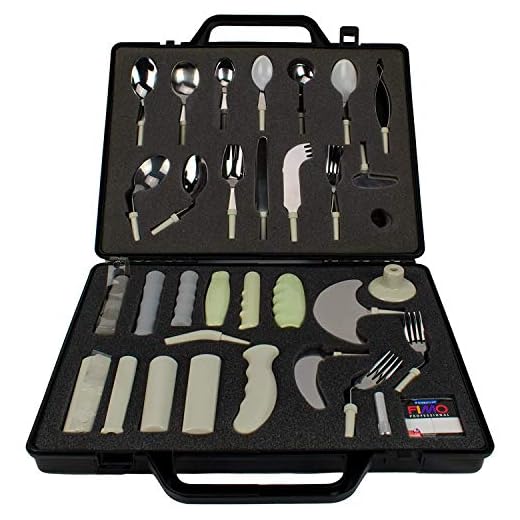


Assessing Individual Needs for Grip
Understanding individual needs is crucial for selecting the right adaptive utensils. Each user has unique challenges that can affect their ability to grip objects. Factors such as hand size, finger strength, and range of motion play significant roles in determining the most effective utensil design. Occupational therapists often conduct assessments to identify specific difficulties users may face, ensuring that the tools chosen will accommodate their physical capabilities.
Feedback from users provides invaluable insights into what features are most beneficial. Some may prefer thicker handles for better stability while others might need ergonomic shapes to facilitate easier grasping. Personal preferences, including the material of the utensils, also contribute to comfort and usability. By taking the time to evaluate these individual aspects, caregivers and therapists can provide tailored solutions that enhance the eating experience for those with grip limitations.
Their blog is a great resource for information.

Factors to Consider in Grip Assessment
When assessing grip, it is essential to take into account both physical and cognitive capabilities. Factors such as hand strength, range of motion, and finger dexterity can significantly influence how a person interacts with adaptive utensils. Additionally, understanding any underlying medical conditions or disabilities is crucial. These conditions can affect not only grip strength but also the user's overall comfort and ability to manipulate objects effectively.
User preferences play a vital role in the assessment as well. Someone might have specific textures or shapes that feel more comfortable in their hand. Evaluating the size of the utensil is also important, as items that are too small or too large can hinder performance. Personal habits, such as the way a person typically holds their utensils, should also be factored in to ensure that adaptive designs cater to their natural grip patterns.
Training and Techniques for Effective Use
Training and techniques for effective use of adaptive utensils focus on developing proper hand positioning and grip techniques. Users can benefit from practicing specific movements that enhance coordination and control. Occupational therapists often recommend exercises tailored to individual strengths and weaknesses. These practices can range from basic hand movements to more complex tasks that involve manipulating utensils during meals. Regular practice ensures users gain confidence and autonomy, allowing them to engage in dining experiences more independently.
In addition to physical exercises, the selection of appropriate adaptive utensils is essential for successful training. Utensils designed with ergonomic handles or added weight can provide better stability and reduce the strain on the hand. Furthermore, users should explore different grip techniques, such as using the palm for larger utensils or employing finger grips for finer control. Adapting these methods based on personal comfort and ability fosters a more enjoyable and successful dining experience. Regular feedback from therapists and peers can refine these techniques, ensuring continuous progress.
Strategies to Improve Grip Strength
Improving grip strength can be achieved through a variety of targeted exercises and activities. Simple exercises such as squeezing a stress ball or using grip trainers can enhance muscle strength in the hands and fingers. Incorporating resistance bands into a routine may also help. These bands allow for adjustments in resistance levels, providing a customizable approach to strengthening the grip. Additionally, using everyday objects like a towel or tennis ball for squeezing can add fun to the exercise regimen while still being effective.
It is crucial to maintain consistency in practicing these exercises for significant improvement. Engaging in activities that require grip, such as playing a musical instrument or gardening, can naturally strengthen the muscles as well. Occupational therapy might also provide specialized techniques and training for individuals dealing with specific challenges. Regularly incorporating both structured exercises and everyday tasks can contribute to the overall enhancement of grip strength over time.
Common Challenges Faced by Users
Users often encounter difficulties that stem from a lack of customized adaptive utensils. Standard utensils may not accommodate specific hand sizes or gripping styles, leading to discomfort and frustration. In some cases, users may struggle to maintain control, resulting in dropped food or spills. The lack of proper fit can discourage individuals from eating independently or enjoying meals in social settings.
Additionally, physical conditions such as arthritis or reduced dexterity can exacerbate the challenges faced. Limited grip strength may make it hard to hold utensils securely, causing fatigue during meals. Users may experience pain or strain, which further limits their ability to engage in dining activities. Addressing these challenges requires not only the right tools but also support from caregivers and health professionals.
Overcoming Grip-Related Limitations
Many individuals face significant challenges due to grip-related limitations, impacting their ability to perform everyday tasks. Recognizing these obstacles is crucial in developing practical solutions. Adaptive utensils designed with ergonomic features can significantly improve user experience. These tools often incorporate non-slip handles and lightweight materials, making them easier to maneuver for those with limited hand strength.
To effectively address these challenges, various strategies can be employed. One approach involves regular grip-strengthening exercises tailored for individual capabilities. Occupational therapy also plays a vital role by providing personalized training sessions, focusing on techniques that enhance coordination and dexterity. Implementing small modifications in daily routines can further empower users, enabling them to enjoy greater independence in their daily activities.
FAQS
What are adaptive utensils?
Adaptive utensils are specially designed eating tools that help individuals with varying abilities or limitations to eat independently and comfortably.
Why is grip important when using adaptive utensils?
A proper grip is crucial as it affects control, stability, and effectiveness while using adaptive utensils, allowing users to eat more efficiently and with less effort.
How can I assess my grip needs for adaptive utensils?
Assessing grip needs involves evaluating your hand strength, dexterity, and any physical limitations. Consulting with an occupational therapist can provide a comprehensive assessment tailored to individual needs.
What are some strategies to improve grip strength?
Strategies to improve grip strength include hand exercises, using stress balls, and engaging in activities that promote fine motor skills, such as knitting or using therapy putty.
What challenges do users often face with grip-related limitations?
Common challenges include difficulty holding utensils securely, fatigue in the hands, and issues with fine motor control, which can hinder the ability to eat independently.
How can users overcome grip-related limitations while using adaptive utensils?
Users can overcome these limitations by practicing specific techniques, using utensils designed with ergonomic grips, and incorporating strength-building exercises into their routine.