



How to Choose the Right Walker for Your Needs
Walker Accessories
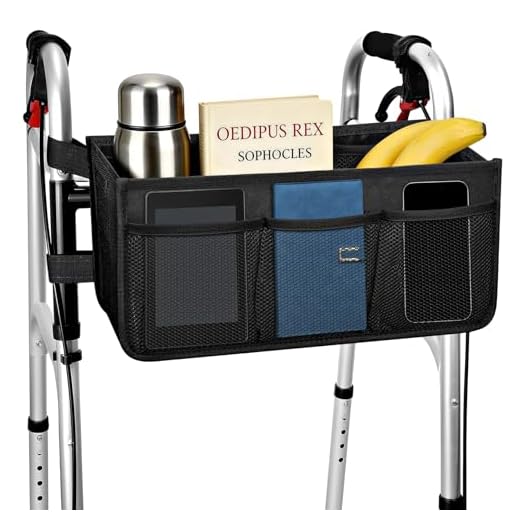
Choosing the right accessories can enhance both the functionality and comfort of your walker. Various attachments are available to cater to specific needs. Storage pouches provide a convenient way to carry personal items. Cup holders can allow individuals to keep beverages close at hand. Safety features such as reflectors or lights can increase visibility and prevent accidents during low-light conditions.
Users may also find specialized grips or hand brakes beneficial for added control. Wheels or gliders can improve mobility over different surfaces, from carpets to outdoor paths. Selecting the right combination of accessories may depend on an individual's lifestyle and environment. Consideration of both daily activities and physical capabilities is essential to ensure the walker meets all personal requirements.
Discover more here.
Useful Attachments for Increased Functionality
Walkers can be significantly enhanced with various attachments that improve usability and convenience. Cup holders are a popular addition, allowing users to stay hydrated while on the go. Storage pouches can be attached for carrying personal items, medications, or essential documents. Other useful attachments include trays to hold meals or books, making it easier to enjoy snacks or read while using the walker.
Safety is another important aspect when considering attachments. Reflective strips can be added to increase visibility during low-light conditions, providing greater security for the user. For those who require additional balance support, attachment options like resistance bands or stability handles can enhance the overall safety and functionality of the walker. These accessories not only improve the mobility experience but also encourage independence for users.
The Role of Professional Guidance
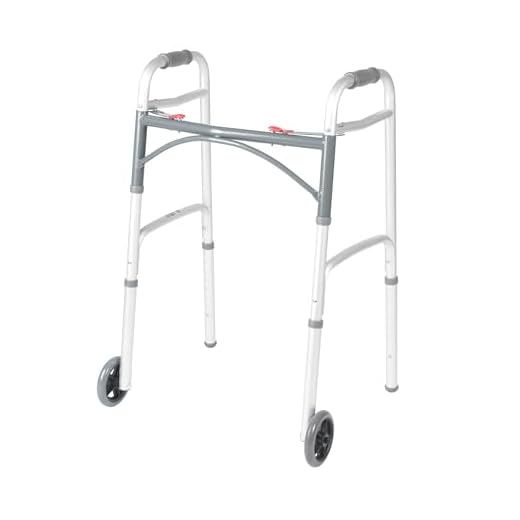
Consulting with healthcare professionals is essential when selecting the right walker. Occupational therapists and physical therapists can assess individual needs, considering factors such as mobility limitations and lifestyle. Their expertise helps in determining the most suitable type of walker, whether it be a standard walker, a rolling walker, or another variation. Personalized recommendations ensure that users receive the necessary support for optimal mobility.
Healthcare providers can also address any potential safety concerns. They may suggest specific features or accessories that enhance the walker’s functionality, like built-in seats or storage options. Furthermore, they can offer training on how to use a walker correctly, helping to prevent falls and encourage independence. Overall, professional guidance plays a significant role in choosing the best walker for personal needs and circumstances.
Consulting with Healthcare Providers
Seeking advice from healthcare providers can be a pivotal step in selecting the right walker. Professionals such as physical therapists, occupational therapists, or physicians can assess individual mobility needs and recommend appropriate designs. Their expertise can help identify specific features that might be beneficial, including height adjustments, weight capacity, or stability enhancements. Personalized recommendations often lead to better outcomes based on your unique health conditions.
In addition to providing guidance on walker types, healthcare providers can help you understand how to use these devices effectively. They may offer demonstrations or exercises to improve confidence and safety while walking. Engaging with professionals also ensures that any underlying issues affecting mobility are addressed, allowing for a holistic approach to enhancing mobility and independence.
Budgeting for Your Walker
When considering a walker, it's essential to evaluate the costs involved. Prices can vary widely based on features, materials, and design. Basic models may start at a lower price point, while walkers with advanced features, such as lightweight frames or integrated accessories, can be significantly more expensive. Factor in any additional accessories you might require, like baskets, trays, or seat cushions, as these can add to the overall cost.
Understanding insurance coverage is equally important when budgeting for a walker. Many insurance plans offer partial or complete reimbursement for mobility aids, but coverage varies. It's advisable to consult your healthcare provider to determine which options are eligible for reimbursement. Additionally, researching different providers and comparing prices online can help ensure you get the best deal while meeting your specific mobility needs.
Understanding Costs and Insurance Coverage
When considering the purchase of a walker, it is essential to be aware of the potential costs involved. Prices can vary significantly based on the type, features, and materials used in the walker. Basic models are typically less expensive, while advanced walkers with increased functionality can be pricier. It is wise to compare prices among different retailers, both online and in-store, to find the best option that suits your budget.
Insurance coverage can greatly influence the financial aspect of acquiring a walker. Many health insurance plans offer some level of reimbursement for durable medical equipment, including walkers. To determine coverage, review your policy and consult with your insurance provider. They can clarify what is included and guide you in obtaining any necessary prescriptions or documentation to facilitate the reimbursement process.
FAQS
What factors should I consider when choosing a walker?
When choosing a walker, consider your mobility needs, the walker’s weight and size, stability, and whether you need additional features such as storage or accessories. It's also important to evaluate your living space and the surfaces you will be using the walker on.
Are there any accessories that can enhance the functionality of my walker?
Yes, there are several useful attachments for walkers that can enhance functionality, such as baskets for carrying items, cup holders, and trays. These accessories can make your walker more convenient and tailored to your daily activities.
How important is it to consult with a healthcare provider before purchasing a walker?
Consulting with a healthcare provider is very important as they can provide personalized recommendations based on your specific mobility needs, health conditions, and ensure that you choose a walker that is safe and suitable for you.
What are typical costs associated with purchasing a walker, and is insurance coverage available?
The costs of walkers can vary widely based on the type and features, typically ranging from $50 to $500. Many health insurance plans may cover a portion of the cost, so it’s advisable to check with your insurance provider to understand your coverage options.
How can I find the right size walker for my height?
To find the right size walker, stand up straight and measure the distance from the floor to your wrist. This measurement can help guide you in selecting a walker that is the correct height, ensuring comfort and proper use. Most walkers come with adjustable height settings to accommodate different users.
Related Links
What to Know About Adjustable WalkersHow to Maintain Your Walker for Longevity
Top 5 Walkers for Seniors to Enhance Independence