




Why Using a Walker Can Improve Your Mobility
Adjusting to Your Walker
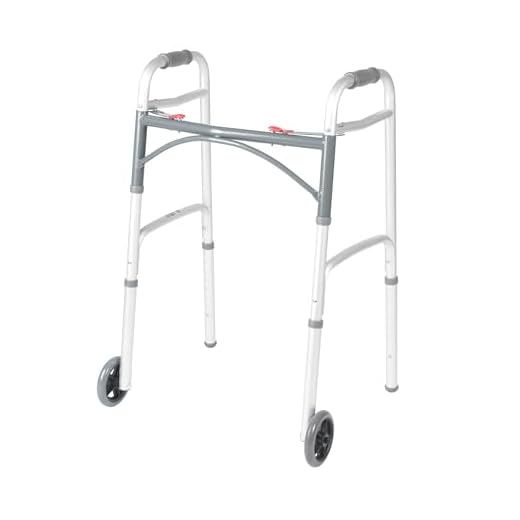
Using a walker can initially feel unfamiliar. It's essential to take the time to understand how it functions and to find the proper height adjustments. The handlebars should be at wrist height when standing straight, allowing for comfortable grip and ease of movement. Testing the walker in a safe, open space can help build confidence. Practicing walking with it, turning corners, and navigating different surfaces will aid in becoming acclimated quickly.
Familiarization also includes understanding how to utilize the brakes effectively. Some models have a simple push-to-stop mechanism, while others require a specific motion to engage. Learning to manage your weight while using the walker is equally crucial, as it contributes to balance and stability. Engaging in steady practice will promote a natural rhythm, providing a more seamless transition into daily activities.
View this external resource for great tips and advice.
Tips for Getting Started
Familiarizing yourself with your walker is essential for gaining confidence and improving mobility. Before using it, take time to adjust the height so that the hand grips are at wrist level while standing relaxed. Practice walking short distances in a clear area. Pushing the walker ahead of you can create a sense of stability. Keep your body upright and use it for support, shifting your weight as you step forward.
When starting out, wear supportive footwear to ensure grip and comfort. If you feel uncertain, have someone nearby for assistance during your initial attempts. This support can help alleviate anxiety. Additionally, consider practicing turns and navigating different surfaces, such as carpets and tiles, to become adept at handling various environments. Remember to take your time; progress at a pace that feels comfortable to you.
Safety Tips for Walker Users
Using a walker can significantly enhance mobility, but it's essential to prioritize safety while navigating different environments. Always ensure the walker is adjusted to your height, providing stability and comfort. Before using it, inspect the walker for any signs of wear or damage. Testing the brakes and ensuring the wheels are functioning properly can prevent unexpected slips and falls.
When using a walker, maintain awareness of your surroundings. Avoid uneven surfaces and obstacles that could cause tripping. Use the walker to create proper balance, placing it firmly in front of you while taking steps. While walking, keep your hands on the walker, and avoid carrying heavy items that could impede your ability to maneuver safely.
Preventing Falls and Injuries
Falls can often lead to serious injuries, especially for individuals who rely on mobility aids like walkers. To prevent these accidents, it’s essential to maintain a clutter-free environment. Removing obstacles such as loose rugs, electrical cords, and small furniture can create a safer walking path. Additionally, ensuring proper lighting in hallways and rooms can help users navigate their space more confidently.
Using the walker correctly also plays a significant role in reducing fall risk. It’s important to adjust the walker to the right height for the user to promote good posture and balance. When moving, users should take deliberate steps and avoid sudden movements. Regularly checking the walker for wear and tear, such as loose grips or malfunctioning wheels, can help maintain its functionality and ensure user safety.
The Role of Walkers in Rehabilitation
In rehabilitation settings, walkers play a crucial role in helping individuals regain their mobility and independence. They provide stability and support, allowing users to practice walking with confidence. Physical therapists often recommend using a walker as part of a tailored rehabilitation plan. The design of walkers can accommodate a variety of needs, making them suitable for patients recovering from surgery, injury, or illness.
Using a walker during rehabilitation can positively impact the healing process. As patients gradually build up their strength, the walker serves as a reliable aid that encourages movement without compromising safety. It also facilitates balance training, which is essential for those who may have experienced dizziness or other balance-related issues. With consistent use, walkers can lead to improved mobility and a quicker return to daily activities.
Recovery After Surgery or Injury
Walkers are essential tools in the recovery process following surgery or injury. They provide the necessary support for individuals who may have limited strength or stability. The use of a walker allows patients to regain their confidence as they navigate their environment. This sense of security can be vital in motivating them to engage with rehabilitation activities and maintain mobility.
Physical therapists often recommend walkers as part of a comprehensive rehabilitation plan. They encourage patients to practice walking with the device to rebuild muscle strength and coordination. This practice not only aids physical recovery but can also promote emotional well-being. As individuals adapt to their walkers, they may start to experience a greater sense of independence in their daily lives.
FAQS
What are the benefits of using a walker for mobility?
Using a walker can enhance stability, reduce the risk of falls, and provide support for individuals recovering from surgery or injury. It can also help improve confidence and independence in movement.
How do I adjust my walker to fit my height?
To adjust your walker, stand up straight and hold the handgrips of the walker. Your elbows should be slightly bent at about a 15-degree angle when your hands are on the grips. Many walkers have adjustable legs to ensure the right fit.
What should I do if I feel unsteady while using a walker?
If you feel unsteady, make sure that your walker is properly adjusted and that all four legs are securely on the ground. It's also important to practice walking in a safe environment and consider consulting a physical therapist for additional support.
Are there any specific safety tips I should follow while using a walker?
Yes, always keep the walker in front of you when moving, avoid using it on stairs, and ensure your path is clear of obstacles. Wear appropriate footwear with good grip, and consider using a walker with wheels if you need to navigate larger spaces.
How can a walker aid in my rehabilitation after surgery?
A walker can provide the necessary support and stability during the recovery process, allowing you to engage in mobility exercises and tasks with reduced risk of injury. It also encourages movement, which is crucial for healing and regaining strength.
Related Links
Why It's Important to Customize Your WalkerWhat to Know About Adjustable Walkers