



Advancements in Accuracy and Functionality
Recent developments in heart rate monitoring technology have significantly enhanced the accuracy of measurements. Early devices often relied on basic optical sensors or manual palpation techniques, which could lead to considerable variability in data. The integration of advanced algorithms and multi-sensor systems has improved precision, enabling wearables to provide real-time feedback that is more reliable than ever before. These innovations allow for better tracking of heart rate variability, an important metric for understanding overall cardiovascular health.
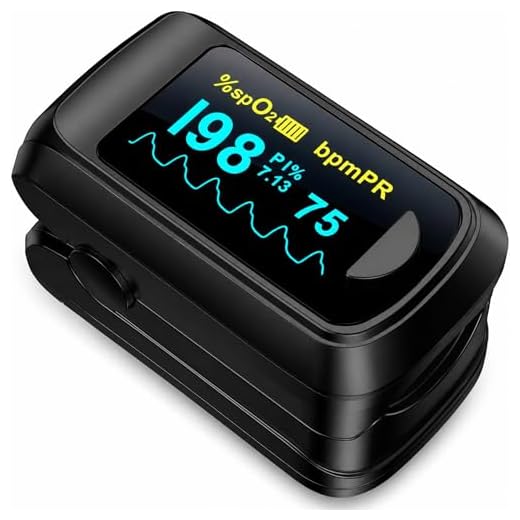
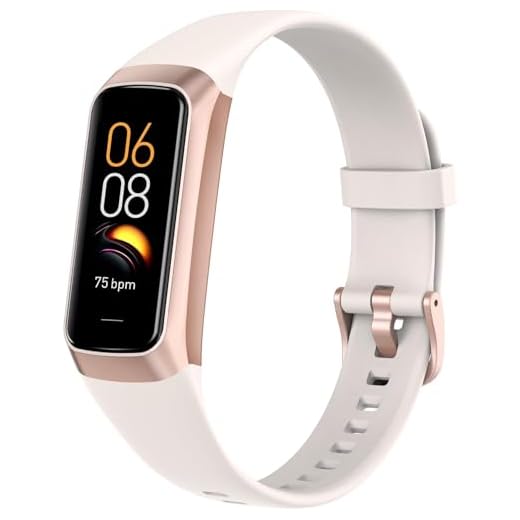
In addition to enhanced accuracy, the functionality of heart rate monitors has expanded dramatically. Modern devices often feature a range of additional metrics such as oxygen saturation, stress levels, and activity tracking capabilities. This transformation provides users with a comprehensive view of their health and fitness. Users can now receive alerts for irregular heartbeats and engage in more informed decision-making regarding their well-being and training regimens. The incorporation of connectivity features, including Bluetooth and Wi-Fi, allows for seamless integration with smartphones and health apps, transforming how individuals manage their fitness journeys.
Find out further details by clicking here.

The Impact of Machine Learning on Heart Rate Monitoring
Machine learning has revolutionized heart rate monitoring by enhancing the precision of data analysis. Algorithms can now analyze vast amounts of physiological data in real-time, identifying patterns that were previously undetectable. This capability allows for more accurate heart rate estimation even during intense physical activity or in individuals with arrhythmias. As a result, wearable devices using these advanced algorithms have become increasingly popular among fitness enthusiasts and healthcare professionals alike.
Furthermore, machine learning models can adapt over time, improving their predictions as they process more data from individual users. This personalization leads to better insights into one's health status and fitness levels, promoting proactive health management. By leveraging these advanced technologies, heart rate monitoring systems can now provide valuable information on trends, risks, and potential interventions, making them an essential component of modern health and fitness.
Heart Rate Monitoring in Sports
Athletes and coaches increasingly rely on heart rate monitoring technology to optimize training regimens. By tracking heart rate data during workouts, athletes can gauge their performance levels and adjust their intensity accordingly. This real-time feedback plays a crucial role in maximizing endurance while preventing overtraining. Devices such as chest straps and wrist-based monitors provide precise measurements, making it easier for athletes to remain in their target heart rate zones.
In team sports, coaches utilize heart rate monitors to analyze players' physical exertion and recovery during games and practices. This information aids in strategic decision-making, allowing for tailored training plans that address individual athletes' needs. Understanding an athlete's heart rate response to various drills helps improve conditioning and enhances overall team performance. The integration of heart rate monitoring technology into sports is reshaping how coaches and athletes approach training and recovery.
Enhancing Athletic Performance Through Technology
Athletes have increasingly turned to heart rate monitoring technology to optimize their training regimens. By analyzing heart rate data, they can gauge their physical exertion levels during workouts, allowing for more targeted and effective exercise strategies. Athletes often use wearables that track heart rate variability, providing insights into their recovery times and overall fitness. This data-driven approach enables them to adjust their training intensity, ensuring they are neither overtraining nor undertraining for competitions.
Beyond individual performance, coaches and sports scientists utilize aggregated heart rate data to enhance team strategies. Understanding how athletes perform in relation to their heart rate can inform decisions around game-day tactics and substitutions. Advanced tracking systems also allow for real-time feedback, fostering a more responsive training environment. Collectively, these technologies significantly contribute to maximizing athletic potential and achieving peak performance.
Medical Applications and Patient Care
Heart rate monitoring technology has become integral in the medical field, particularly for managing chronic conditions. Devices such as electrocardiograms (EKGs) and portable monitors provide healthcare professionals with real-time data. This information allows for prompt diagnosis and treatment adjustments. Patients with heart disease or other cardiovascular issues benefit immensely from continuous monitoring, as it ensures timely interventions and reduces the risk of severe complications.
Telemedicine has evolved significantly, enhancing patient care through remote monitoring capabilities. Patients can use wearable devices to track their heart rates and share this information with their doctors. This setup fosters a proactive approach to health management, allowing for regular health assessments without the need for frequent office visits. Reduced hospital visits ease the burden on healthcare systems and promote better patient adherence to treatment plans.
Remote Monitoring and Telemedicine
The integration of heart rate monitoring technology into telemedicine has revolutionized patient care. Healthcare providers can now track patients’ heart rates remotely, offering timely insights into their cardiovascular health. This capability is especially crucial for those with chronic conditions or those living in remote areas. Regular data collection empowers physicians to make informed decisions about treatment adjustments without requiring frequent in-person visits.
Patients benefit significantly from this technology. They can access real-time feedback on their heart health, promoting better engagement in their own care. Many devices now feature user-friendly interfaces and mobile applications that allow patients to visualize their heart rate trends and share this information easily with healthcare professionals. Remote monitoring not only enhances the efficiency of healthcare delivery but also fosters a proactive approach to health management.
FAQS
What is the history of heart rate monitoring technology?
The history of heart rate monitoring technology dates back to the early 20th century, evolving from basic mechanical devices to sophisticated electronic systems that utilize advanced algorithms and machine learning for improved accuracy and functionality.
How has machine learning impacted heart rate monitoring?
Machine learning has significantly enhanced heart rate monitoring by allowing devices to analyze vast amounts of data, improving the accuracy of heart rate readings, and enabling predictive analytics to identify potential health issues before they arise.
What role does heart rate monitoring play in sports?
Heart rate monitoring plays a crucial role in sports by providing athletes with real-time data on their performance and physical condition, allowing for better training strategies and improved overall athletic performance.
How does heart rate monitoring technology enhance athletic performance?
By providing athletes with insights into their heart rate during training and competition, heart rate monitoring technology helps optimize workout intensity, recovery times, and overall conditioning, leading to enhanced performance.
What are the medical applications of heart rate monitoring?
Heart rate monitoring has various medical applications, including remote patient monitoring, telemedicine, and chronic disease management, allowing healthcare providers to track patient health in real-time and make informed decisions regarding treatment.
Related Links
Why Heart Rate Monitors are Valuable for AthletesWhy Monitoring Your Heart Rate is Essential for Health
Roundup of the Most Accurate Heart Rate Monitors on the Market