


Connectivity and Communication Tools
Advancements in technology have transformed communication for wheelchair users, paving the way for enhanced connectivity. Various devices cater to those seeking seamless interaction, including voice-activated smart home systems and communication apps designed specifically for individuals with mobility challenges. These tools ensure that users can easily engage with their environment and maintain social connections, regardless of their physical limitations.
Innovative accessories support not just basic communication but also foster greater engagement in social and recreational activities. Adapters for smartphones and tablets, along with custom mounting options, allow for easy access to communication tools while on the go. The integration of these technologies makes it simpler for wheelchair users to connect with friends and family, participate in virtual gatherings, and access important information from their devices.
This is an essential article for anyone looking to learn more about the topic.

Devices for Better Interaction and Engagement
Personalized communication devices are transforming how wheelchair users connect with others. These innovative tools include speech-generating devices and apps designed for smartphones and tablets. They enable seamless interaction in various environments, from family gatherings to public outings. Enhanced features such as customizable voice options and predictive text capabilities make it easier for users to express themselves effectively.
Social engagement is further supported by adaptive technology that integrates with existing tools. For example, modified gaming controllers and voice-activated speakers facilitate participation in leisure activities. These devices not only improve communication but also foster friendships and connections with peers. The focus on inclusivity is evident as more products are designed to empower users in social settings, encouraging fuller participation in their communities.
Outdoor Adventure Gear for Wheelchair Users
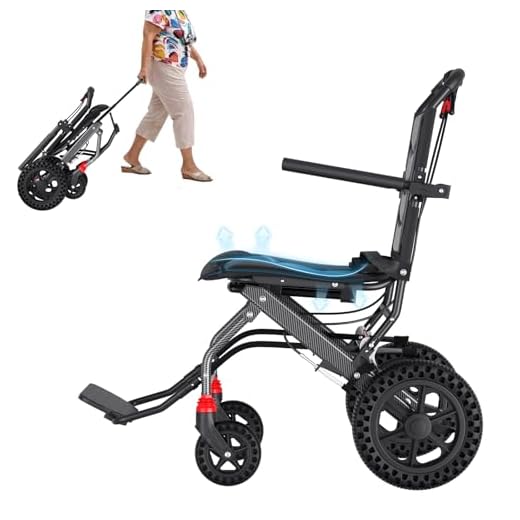
Exploring the great outdoors can be a rewarding experience for wheelchair users, thanks to advancements in outdoor adventure gear specifically designed for their needs. Off-road wheelchairs feature sturdy frames and rugged tires, allowing users to navigate trails, beaches, and other challenging terrains with relative ease. Some models even come equipped with specialized suspension systems, providing greater comfort on uneven surfaces. This innovation opens up opportunities for wheelchair users to engage in activities such as hiking, camping, and trail riding, previously thought to be less accessible.
In addition to specialized wheelchairs, numerous accessories enhance outdoor experiences. Portable ramps facilitate easy access to elevated surfaces, while protective covers help shield wheelchairs from the elements during outings. Users can find hydration packs designed to fit securely on their wheelchairs, ensuring they stay refreshed on long journeys. These practical accessories not only enhance mobility but also encourage independence and adventure, empowering wheelchair users to fully enjoy the beauty of nature.
Accessories Designed for Nature Enthusiasts
Exploring the great outdoors can be challenging for wheelchair users. Fortunately, innovative accessories have been developed to enhance accessibility and enjoyment in natural settings. All-terrain wheelchair attachments allow users to navigate rough terrains, from sandy beaches to rocky trails. These devices are equipped with larger, durable wheels designed to manage various surfaces, ensuring a smoother ride and greater freedom for outdoor exploration.
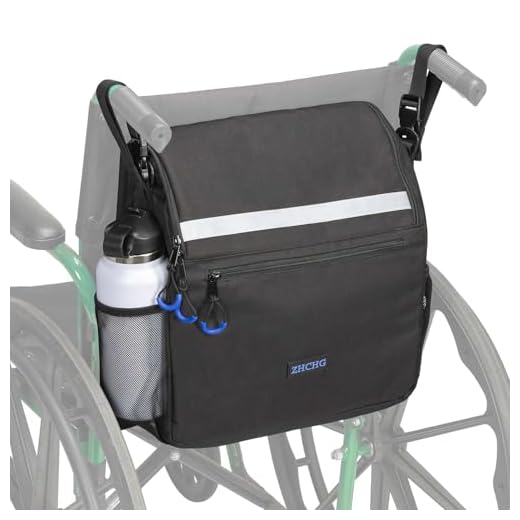
In addition to mobility aids, there are multifunctional backpacks and bags specifically designed for wheelchair users. These accessories offer easy storage options, featuring secure compartments for essential items like water bottles and snacks. Some even come equipped with detachable pouches, allowing users to carry gear conveniently without needing to reach down or make adjustments. With newly designed harnesses and support mechanisms, nature enthusiasts can now embrace the outdoors with confidence and comfort.
Accessibility Tools for Everyday Life
Innovative tools designed to enhance accessibility in daily routines have significantly changed the landscape for wheelchair users. Simple modifications in furniture, such as lift chairs and adjustable tables, can make a world of difference. Kitchen aids like grabber tools and specially designed can openers facilitate tasks that might otherwise be challenging. Additionally, products like automatic door openers promote independence in navigating various environments, minimizing reliance on assistance for everyday activities.
Smart home technology plays a vital role in fostering greater independence. Voice-activated systems allow users to control appliances and lights without the need for physical interaction. Furthermore, mobile applications designed for accessibility can offer navigation assistance or alert caregivers in case of emergencies. These advancements ensure that routines remain seamless, providing users with a greater sense of autonomy and improving their overall quality of life.
Solutions for Home Modifications and Ease of Use
Home modifications can significantly enhance independence and comfort for wheelchair users. Ramps and threshold transitions make for smoother navigation within and outside the home, removing barriers that could lead to accidents. Automatic doors can also be a game-changer, allowing easy access without the need for extra assistance. In addition, adjustable furniture height, including kitchen countertops and tables, promotes a more inclusive living environment.
Smart home technology plays a pivotal role in creating accessible living spaces. Voice-activated systems enable individuals to control lights, thermostats, and other appliances without needing to reach or move. Lever-style handles on doors and cabinets simplify operation for those with limited dexterity. Incorporating these features not only enhances daily routine but also fosters a sense of autonomy and dignity for wheelchair users.
FAQS
What are some examples of connectivity and communication tools for wheelchair users?
Examples of connectivity and communication tools include smartphone apps designed for accessibility, voice-activated devices, and assistive technology that allows users to control their environment and communicate more effectively.
How can outdoor adventure gear enhance the experience for wheelchair users?
Outdoor adventure gear, such as specialized off-road wheelchairs, portable ramps, and all-terrain mobility aids, can enhance the experience by enabling wheelchair users to explore nature and participate in outdoor activities more comfortably and safely.
What types of accessories are available for home modifications?
Accessories for home modifications include grab bars, wheelchair ramps, adjustable furniture, and smart home technology that can help make daily tasks easier and improve accessibility within the home.
Are there any specific devices designed for better interaction and engagement for wheelchair users?
Yes, devices such as adaptive switches, eye-tracking technology, and customizable communication boards are designed to improve interaction and engagement for wheelchair users, allowing them to connect with others more easily.
Where can I find innovative wheelchair accessories?
Innovative wheelchair accessories can be found through specialized online retailers, disability-focused stores, medical supply companies, and even local non-profits that support accessibility initiatives.