


When to Use a Pulse Oximeter
Monitoring oxygen levels is crucial for individuals with respiratory conditions such as asthma, COPD, or pneumonia. A pulse oximeter should also be used during post-surgery recovery when anesthesia may affect breathing. It's advisable to check oxygen levels if experiencing symptoms like shortness of breath, chest pain, or confusion. Regular monitoring can help detect any significant changes requiring medical intervention.
Additionally, engaging in high-altitude activities can affect oxygen saturation levels due to reduced atmospheric pressure. Individuals planning to travel to high elevations should consider bringing a pulse oximeter for reassurance. During exercise, especially in individuals with existing health conditions, monitoring oxygen levels can provide valuable information about one's physical performance and endurance.
Discover more here.
Identifying Key Situations for Monitoring
Monitoring oxygen saturation is crucial in various scenarios. Individuals with respiratory conditions, such as asthma or chronic obstructive pulmonary disease (COPD), may benefit from regular checks. During periods of illness or infection, especially respiratory infections, tracking oxygen levels can provide essential insights into a patient’s status. It is also recommended for those recovering from surgery or experiencing significant changes in health.
In addition, athletes and individuals engaged in high-altitude activities should use a pulse oximeter to ensure adequate oxygen levels during exertion. Changes in altitude can rapidly affect oxygen saturation. Anyone experiencing shortness of breath, persistent cough, or changes in physical condition should consider monitoring their levels. Timely detection of low oxygen saturation can lead to prompt medical intervention.
Maintaining Your Pulse Oximeter
To ensure reliable readings and prolong the lifespan of your pulse oximeter, regular cleaning is essential. Use a soft, dry cloth to gently wipe the exterior, avoiding any harsh chemicals that could damage the device. For the sensing part, which comes into contact with the skin, a damp cloth with mild soap may be used. Make sure to thoroughly dry it afterward to prevent moisture from affecting functionality.
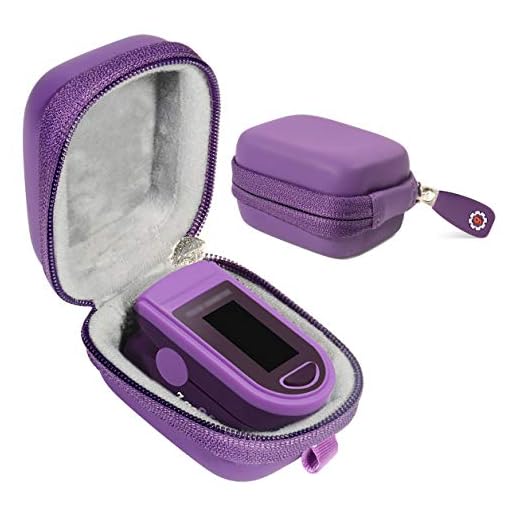
Proper storage is also crucial for maintaining the accuracy and integrity of the device. Store the pulse oximeter in a protective case when not in use, keeping it in a cool, dry place. Avoid exposing the unit to extreme temperatures or direct sunlight, as these conditions can impair performance or cause permanent damage. Regularly check the battery and replace it as needed to ensure consistent operation.
Best Practices for Care and Storage
To ensure the longevity and accuracy of your pulse oximeter, proper care and storage are essential. Keep the device clean and free from dust or moisture. Use a soft, lint-free cloth to gently wipe the exterior. Avoid using harsh chemicals or abrasive materials that could damage its surface. If applicable, consult the manufacturer’s guidelines for specific cleaning instructions. Store the pulse oximeter in a cool, dry place away from direct sunlight when not in use. This helps maintain its functionality and prevents deterioration.
Regularly check the device for any signs of wear or damage. Ensure the batteries are functioning properly and replace them as needed. Frequent calibration may be necessary to maintain accurate readings. When traveling, use a protective case to shield the pulse oximeter from impact and environmental factors that may affect its performance. Following these best practices will enhance the reliability of your device and contribute to effective health monitoring.
Troubleshooting Common Issues
When using a pulse oximeter, you may encounter several common issues that can affect its accuracy. If the device fails to give a reading or displays inconsistent results, first ensure that the sensor is properly placed on the finger. Movement while taking a reading can lead to errors, so keep your hand still during the measurement. Additionally, make sure that your fingers are clean and warm, as dirt, coldness, or nail polish can interfere with the sensor’s ability to detect blood flow.
Another frequent problem is low battery life, which can cause the device to malfunction or provide unreliable readings. Regularly check the battery status and replace it promptly when needed. If you continue to experience difficulties, consult the user manual for troubleshooting guidelines specific to your model. In some cases, contacting customer support may be necessary to address technical issues effectively.
Identifying and Solving Problems
If you notice that your pulse oximeter is giving inconsistent readings, it may be due to several factors. Ensure that the sensor is clean and free from any debris that may obstruct the light passing through the fingertip. If the device is not calibrated properly, this can also lead to inaccurate results. Checking for low battery levels is essential as well, since insufficient power can affect the performance of the device.
A common issue involves movement while taking a reading. Stay still during the measurement to avoid interference caused by hand or finger motion. In cases where a reading is unusually low, such as below the normal range of 95-100% for blood oxygen levels, verify that the probe is positioned correctly and try using it on a different finger. If problems persist, consulting the manufacturer’s guidelines or contacting customer support can provide further assistance.
FAQS
What is a pulse oximeter and how does it work?
A pulse oximeter is a non-invasive device that measures the oxygen saturation level in your blood and your heart rate. It works by shining light through your skin, usually on a fingertip, and detecting changes in light absorption that correspond to oxygen levels.
When should I use a pulse oximeter?
You should use a pulse oximeter when you are experiencing shortness of breath, have a chronic respiratory condition, are monitoring your oxygen levels after surgery, or if instructed by a healthcare provider to track your oxygen saturation.
How do I maintain my pulse oximeter?
To maintain your pulse oximeter, clean it regularly with a soft, dry cloth and avoid exposing it to extreme temperatures or moisture. Store it in a protective case to prevent damage and keep it away from direct sunlight.
What should I do if my pulse oximeter gives an inaccurate reading?
If your pulse oximeter gives an inaccurate reading, first ensure that the device is properly placed on your finger and that your hands are warm and still. If issues persist, check the battery, clean the sensor, or consult the user manual for troubleshooting steps.
Is there a specific way to position my finger for the most accurate reading?
Yes, for the most accurate reading, place your finger in the pulse oximeter completely with the light sensor aligned properly. Keep your hand still and relaxed during the measurement, and make sure your finger is clean and free from nail polish or artificial nails.
Related Links
What is a Pulse Oximeter and How Does it WorkHow to Choose the Right Pulse Oximeter for Home Use
Latest Innovations in Pulse Oximeter Technology