


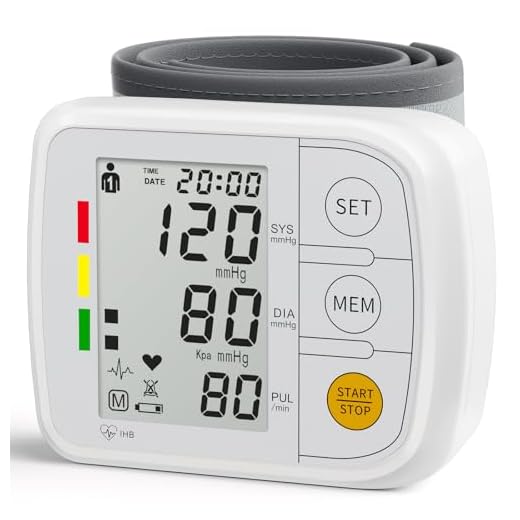


Identifying Blood Pressure Variability
Blood pressure can fluctuate throughout the day due to various factors. Understanding these variations is key to managing cardiovascular health. For instance, blood pressure may rise in response to stress, physical activity, or even the time of day. Multiple readings taken at different times can provide insight into whether the fluctuations are consistent or if they indicate an underlying health issue.
Monitoring blood pressure regularly helps in establishing a pattern over time. This practice allows individuals to identify any abnormal spikes or drops that could signal the need for further investigation. Identifying such variability not only aids in personal health management but also provides crucial information for healthcare professionals in assessing overall cardiovascular risk.
See here for more great tips.
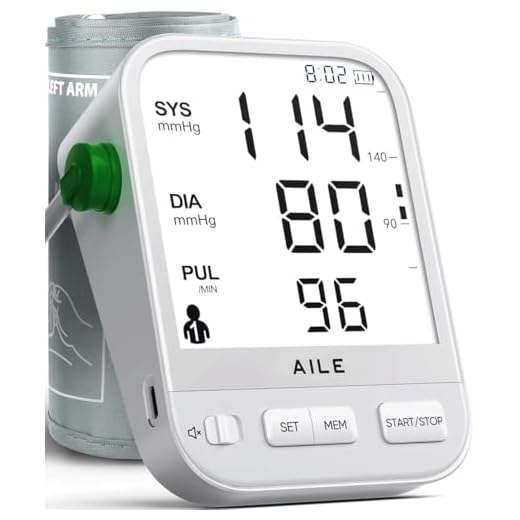
Factors That Can Influence Blood Pressure Fluctuations
Blood pressure is influenced by a variety of factors that can cause significant fluctuations. Stress is a primary contributor, as emotional upheaval triggers the release of hormones that can temporarily raise blood pressure levels. Factors such as dehydration, sleep quality, and even weather changes can also play a role in how blood pressure varies throughout the day.
Dietary choices and physical activity levels significantly impact blood pressure regulation. Consuming high amounts of sodium can lead to an increase in blood pressure, while potassium-rich foods like fruits and vegetables may help counterbalance this effect. Regular physical activity promotes heart health and helps maintain optimal blood pressure. Additionally, the use of certain medications or the presence of chronic conditions can further complicate blood pressure management.
Lifestyle Changes to Support Healthy Blood Pressure
Making purposeful adjustments to daily habits can significantly influence blood pressure levels. Incorporating regular physical activity into routines may help maintain a healthy weight and improve heart health. Activities such as walking, swimming, and cycling can enhance cardiovascular function. Consistency in these activities is essential for achieving lasting benefits.
Dietary choices also play a critical role in managing blood pressure. Consuming a diet rich in fruits, vegetables, whole grains, and lean proteins can promote overall health. Reducing sodium intake is particularly important, as excessive salt can lead to elevated blood pressure. Including potassium-rich foods may counteract some effects of sodium and support cardiovascular health.
Dietary and Exercise Recommendations
A balanced diet plays a critical role in managing blood pressure levels. Incorporating fruits, vegetables, whole grains, and lean proteins can foster overall cardiovascular health. Foods rich in potassium, such as bananas, spinach, and sweet potatoes, can help balance sodium levels in the body. Reducing the intake of processed foods, high-sodium items, and added sugars also contributes to better blood pressure control.
Regular physical activity is equally important and can significantly reduce blood pressure readings. Engaging in moderate aerobic exercises such as walking, cycling, or swimming for at least 30 minutes on most days can provide substantial benefits. Strength training exercises, performed two or more times a week, can also support overall health. Making these lifestyle adjustments can lead to noticeable improvements in blood pressure management and long-term well-being.
The Role of Health Professionals
Health professionals play a critical role in managing blood pressure and preventing complications related to hypertension. They provide comprehensive evaluations and interpret readings, guiding patients through understanding their numbers. Regular consultations help ensure that any fluctuations are monitored effectively. Tailored treatment plans can be developed based on individual health profiles, making it easier for patients to adhere to recommendations.
The expertise of healthcare providers extends beyond diagnosis and treatment. They educate individuals about the importance of lifestyle modifications, helping patients to implement changes like improved diet and increased physical activity. Ongoing support from medical professionals can empower patients to take an active role in their health. Building a collaborative relationship fosters an environment where patients feel comfortable discussing concerns, which is essential for effective blood pressure management.
When to Consult a Doctor About Blood Pressure
Monitoring blood pressure can help individuals detect potential health issues early. If readings consistently show elevated levels, it may indicate hypertension, which can lead to serious complications if left untreated. It's essential to seek guidance from a healthcare professional if you experience symptoms such as severe headaches, chest pain, or shortness of breath. These could signify an urgent health matter that warrants immediate attention.
Regular check-ups are also advisable if you have a family history of heart disease or other cardiovascular conditions. Consistent monitoring enables healthcare providers to establish a clearer picture of your cardiovascular health and tailor an appropriate management plan. Discussing any concerns or unusual changes in your blood pressure with a doctor can help ensure you receive proper care and support.
FAQS
Why is regular monitoring of blood pressure important?
Regular monitoring of blood pressure is crucial because it helps identify fluctuations that may indicate underlying health issues, allowing for timely intervention. It also enables individuals to track their blood pressure trends and make necessary lifestyle changes.
What factors can influence blood pressure fluctuations?
Factors that can influence blood pressure fluctuations include stress, diet, physical activity, sleep patterns, medications, and underlying health conditions. Understanding these factors can help individuals manage their blood pressure more effectively.
How can lifestyle changes support healthy blood pressure?
Lifestyle changes such as maintaining a balanced diet, engaging in regular physical activity, managing stress, limiting alcohol intake, and avoiding smoking can significantly contribute to maintaining healthy blood pressure levels.
What dietary recommendations should be followed for healthy blood pressure?
To support healthy blood pressure, it is recommended to follow a diet rich in fruits, vegetables, whole grains, lean proteins, and healthy fats. Reducing sodium intake and limiting processed foods can also be beneficial.
When should I consult a doctor about my blood pressure?
You should consult a doctor about your blood pressure if you consistently record high readings, experience symptoms such as headaches, blurred vision, or chest pain, or if you have a family history of hypertension or cardiovascular disease. Regular check-ups are essential for monitoring your overall health.
Related Links
Why You Should Invest in a Digital Blood Pressure MonitorWhat Factors Influence Blood Pressure Readings