

Frequency of Testing
Monitoring glucose levels regularly is essential for managing diabetes. The frequency of testing can vary based on individual needs, lifestyle, and treatment goals. Some individuals may need to test multiple times a day, especially if they are on insulin or are experiencing fluctuations in their glucose levels. Others might test less frequently, such as once or twice a week, depending on their doctor's recommendations.
To determine how often to test, it’s critical to consider factors like meal patterns, exercise routines, and any changes in medication. Additionally, adjustments may be necessary during periods of illness or changes in routine. Always consult with a healthcare provider to establish a testing schedule that suits your personal health strategy and keeps you within your target glucose range.
Have a peek at this blog for further readings.

How Often Should You Monitor Your Glucose?
Monitoring glucose levels is crucial for individuals managing diabetes or prediabetes. The frequency of testing often depends on a person's treatment plan, lifestyle, and blood sugar patterns. For those on insulin, multiple daily checks may be necessary to ensure levels remain within target ranges. Conversely, individuals managing their condition through diet and exercise alone might find that once or twice daily testing is sufficient.
Discussing optimal testing frequency with a healthcare provider is essential. They can provide personalized recommendations based on individual health needs. Factors such as recent changes in medication, exercise routines, or dietary habits can influence how often to test. Regular monitoring allows for timely adjustments to help maintain better control over blood sugar levels.
Common Mistakes to Avoid
Using a glucometer can be straightforward, but several common missteps can lead to inaccurate readings. One frequent mistake is not washing hands before testing. Residue from food or other substances can skew results, leading to the wrong assumptions about glucose levels. Also, it's important to consider the expiration date of test strips. Using outdated strips may yield unreliable readings, which can significantly affect diabetes management.
Another pitfall involves improper lancing technique. Using a dull or improperly set lancet can cause discomfort and inadequate blood flow, leading to insufficient samples. This can result in erroneous measurements that don't accurately reflect blood glucose levels. Additionally, users often neglect to calibrate their devices according to the manufacturer's instructions, which is essential for ensuring accuracy. Taking these matters into account can help maintain reliable testing practices.
Pitfalls That Can Affect Your Readings
Various factors can lead to inaccurate glucose readings. Skin preparation is crucial; residues from lotions, soaps, or dirt can interfere with results. If you're testing your glucose levels on an area that has not been cleaned properly, the readings may not reflect your true levels. Additionally, using outdated or damaged test strips can introduce errors. Always check expiration dates and ensure strips are stored according to the manufacturer’s recommendations.
Environmental factors also play a significant role in the accuracy of your readings. Extreme temperatures might affect both the glucometer and the test strips. Elevating or lowering temperatures can skew results, leading to a false impression of your glucose levels. Furthermore, the depth of your blood sample can influence readings. If the sample is too small, it may not provide sufficient blood for an accurate reading, potentially compromising your diabetes management.
Maintaining Your Glucometer
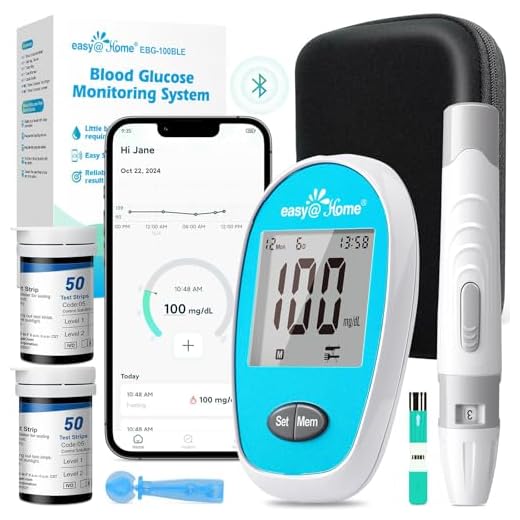
A glucometer requires regular maintenance to ensure accurate readings and longevity. It is essential to keep the device clean. Wipe the exterior with a soft, dry cloth to remove dust and debris. Avoid using harsh chemicals or soaking the unit in water, as moisture can damage the internal components. Calibration may be necessary, depending on the device model. Always consult the user manual for specific instructions on calibration frequency.
Storing the glucometer properly also plays a crucial role in its performance. Keep it in a cool, dry place, away from direct sunlight and extreme temperatures. Avoid exposing it to high humidity or volatile environments. Ensure that test strips are stored in their original container and tightly sealed after each use to protect them from moisture. An expired or improperly stored test strip can lead to inaccurate glucose readings, complicating overall management. Regularly check the expiration date of the test strips and replace them as needed to maintain reliable results.
Tips for Proper Care and Storage
Keeping your glucometer clean is essential for accurate readings. Wipe the device regularly with a soft, dry cloth to remove any dust or debris. Avoid using harsh cleaners or soaking the glucometer in water, as these methods can damage the internal components. Ensure that the test strip area is free from contamination, as any residue might affect the results.
Proper storage of your glucometer can significantly extend its lifespan. Store it in a cool, dry place away from direct sunlight. Extreme temperatures can negatively affect its performance, so avoid leaving it in a car or near heat sources. Make sure to keep the test strips in their original container with the lid tightly closed to maintain their viability.
FAQS
What is a glucometer used for?
A glucometer is a device used to measure the blood glucose levels in individuals, particularly those with diabetes, to help manage their condition effectively.
How often should I use my glucometer?
The frequency of testing depends on your specific health needs and your doctor's recommendations. Typically, those with diabetes may test their glucose levels multiple times a day, while others may do so less frequently.
What common mistakes should I avoid when using a glucometer?
Some common mistakes include not washing your hands before testing, using expired test strips, applying too little or too much blood on the test strip, and not following the manufacturer's instructions properly.
How should I care for and store my glucometer?
To maintain your glucometer, keep it in a clean, dry place, avoid exposing it to extreme temperatures, and regularly clean the device according to the manufacturer's instructions. Ensure that test strips are stored in their original container and are not expired.
What should I do if my glucometer gives an error reading?
If you encounter an error reading, first consult the user manual for troubleshooting tips. Common steps include checking the test strip for damage, ensuring proper blood sample size, and verifying that the glucometer is calibrated correctly. If problems persist, contact the manufacturer or your healthcare provider for assistance.
Related Links
How to Choose the Right Glucometer for Your NeedsHow to Calibrate Your Glucometer for Accurate Results
The Ultimate Guide to Glucometer Features and Benefits