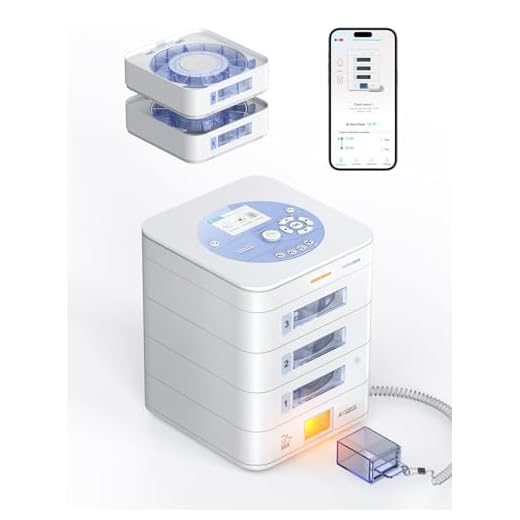

Integration with Other Health Tools
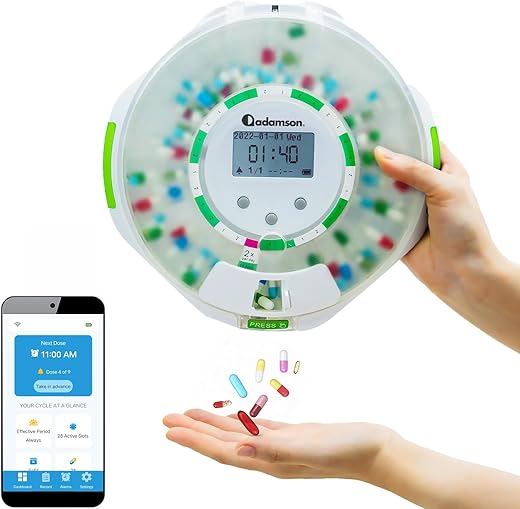
Many medication management apps excel in their ability to connect seamlessly with other health tools. This integration allows users to have a comprehensive view of their health. For example, when synced with electronic health records (EHRs), users can access their medical history, lab results, and prescriptions all in one place. This cohesive approach minimizes confusion and helps individuals stay organized in managing their healthcare needs.
Furthermore, certain apps can link to telehealth platforms, enabling users to schedule virtual appointments and receive immediate feedback from healthcare providers. Wearable devices that track vital signs can also enhance medication management by providing insights into how medications influence overall health. As these technologies continue to evolve, the potential for more integrated health experiences grows, ensuring users can navigate their medical journeys effectively.
Discover more here.
Syncing with Wearable Devices
Many medication management apps now offer compatibility with popular wearable devices, enhancing their functionality. This integration allows users to track their health metrics alongside their medication schedules, promoting a more comprehensive approach to wellness. By syncing with devices such as smartwatches and fitness trackers, these apps provide reminders and notifications based on users’ real-time activity and vital statistics, making adherence to medication regimens more intuitive.
The ability to collect and analyze data from wearables can further empower users in managing their health. For instance, tracking heart rate fluctuations and sleep patterns can inform medication timing or dosages. As users connect their medication apps with wearables, they gain a clearer insight into how their lifestyle may impact their treatment, offering a significant advantage in personalized healthcare management.
User Feedback and Ratings
User ratings play a crucial role in determining the reliability and effectiveness of medication management apps. Many users express their experiences through app stores and review platforms, highlighting features such as ease of use, design, and overall functionality. Positive reviews often focus on how intuitive the app is and the convenience it brings to daily medication routines. Conversely, negative feedback usually points to technical issues, inadequate customer support, or a lack of essential features that might hinder user experience.
Evaluating user experiences can provide valuable insights into which apps truly meet the needs of patients. While high-rated apps often boast comprehensive features and seamless integrations, some may struggle to maintain user satisfaction over time. It is essential to consider both high ratings and critical feedback to gain an understanding of the app's strengths and areas for improvement. Users often recommend trying apps themselves to determine the most suitable option for their individual needs, reinforcing the subjectivity inherent in digital health tools.
Evaluating User Experiences
User experiences play a critical role in assessing the effectiveness and usability of medication management apps. Many users appreciate features such as intuitive interfaces and the ability to customize reminders. Positive feedback often highlights how these apps simplify the medication routine, reducing the risk of missed doses and enhancing adherence to prescribed regimens.
Conversely, some users report frustrations with certain functionalities, like difficulty in syncing with other health devices or cumbersome navigation for tracking multiple prescriptions. Negative experiences can stem from a lack of comprehensive support or confusing updates. Overall, user reviews provide valuable insights into real-world applications, guiding potential users in their choices while indicating areas for improvement for developers.
Cost of Medication Management Apps
The price of medication management apps can vary significantly based on features and services offered. Many apps provide a free version with basic functionalities while offering premium features through subscriptions. The subscription models often include advanced tracking options, personalized reminders, and integration with other health tools, which may appeal to users seeking comprehensive solutions.
Users should consider their specific needs when evaluating costs. A free app may suffice for someone with straightforward medication routines, while individuals managing complex health conditions may find value in investing in a subscription-based model. It's important to explore user reviews and trial periods, as they can provide insights into the app's usability and whether the cost aligns with the benefits offered.
Free vs. Subscription-Based Options
Many medication management apps offer a variety of pricing structures to cater to different user needs. Free versions typically provide essential features such as reminders for medication times and a basic tracking system. These options can be sufficient for users who only need simple functionalities without the need for extensive customization or advanced reporting.
Subscription-based apps usually come with a wider array of features designed to enhance user experience. These may include personalized medication schedules, integration with telehealth services, and detailed health analytics. While the monthly or yearly fees can add up, the added functionalities often justify the cost for those seeking a more comprehensive approach to medication management.
FAQS
What are medication management apps?
Medication management apps are digital tools designed to help users track their medications, manage dosages, set reminders, and monitor their health. They can enhance adherence to prescribed treatments and provide valuable information about medications.
How do medication management apps integrate with other health tools?
Many medication management apps can sync with wearable devices, health trackers, and other health-related applications. This integration allows users to have a comprehensive view of their health, combining medication data with physical activity, heart rate, and other vital signs.
Are there any free medication management apps available?
Yes, several medication management apps offer free versions that provide basic features. However, many also provide premium versions with additional capabilities that typically require a subscription fee.
How do I know which medication management app is right for me?
Choosing the right app depends on your specific needs, preferences, and health conditions. Consider factors like user interface, features, compatibility with other devices, and user reviews when making your selection.
What do user ratings and feedback indicate about medication management apps?
User ratings and feedback can provide insight into the app's effectiveness, ease of use, and overall satisfaction. Evaluating these experiences can help potential users gauge how well the app may work for their own needs.
Related Links
Review of Top Medication Management Systems in 2023The History of Medication Management Tools Over the Decades