



The Role of Patient Safety in the 2000s
The 2000s marked a significant shift in the healthcare landscape, with patient safety emerging as a paramount concern. Increased awareness of issues related to medication errors and adverse drug reactions prompted healthcare institutions to prioritize safety measures. Organizations began adopting evidence-based protocols to minimize risks, leading to the implementation of standardized practices in medication management. This period saw a concerted effort to educate healthcare providers about the importance of double-checking prescriptions and understanding potential drug interactions.
In response to these challenges, regulatory bodies and industry stakeholders collaborated to develop robust frameworks aimed at enhancing patient safety. The establishment of the National Patient Safety Goals by The Joint Commission focused on improving medication safety across hospitals and outpatient settings. Tools such as computerized physician order entry (CPOE) systems gained traction, allowing for electronic prescribing that reduced the likelihood of human error. Overall, the emphasis on patient safety during this decade set the foundation for further innovations in medication management tools and strategies.
Here is a super informative post that goes into more detail.
Development of Safety Reporting Systems
The early 2000s witnessed a significant transformation in the realm of medication management through the establishment of safety reporting systems. These systems emerged as a response to growing concerns over medication errors and adverse drug reactions. By creating standardized protocols for reporting incidents, healthcare providers could capture data efficiently. This initiative aimed to foster a culture of safety within healthcare settings, enabling institutions to learn from past mistakes and improve overall patient care.
As these reporting systems evolved, they integrated advanced technologies to streamline the process. The implementation of electronic health records (EHR) allowed for better tracking of medication incidents. Data collected through these systems served multiple purposes, such as identifying trends in medication errors and informing policy changes. Healthcare professionals began using this information not only to enhance patient safety but also to educate staff on best practices in medication management.
The Influence of Wearable Devices
Wearable devices have transformed the way individuals manage their medication regimens. These gadgets, which range from smartwatches to fitness trackers, can send reminders for medication doses, log adherence, and even connect to healthcare providers for real-time updates. This convenience encourages patients to stay on track with their prescriptions, reducing the likelihood of missed doses.
The integration of wearable technology into healthcare has introduced new dimensions in medication management. Many devices can monitor vital signs and alert users to potential side effects or adverse reactions, promoting a proactive approach to health. By leveraging data collected from these devices, healthcare professionals can gain insights into patient behaviors, leading to better-tailored medication plans and improved treatment outcomes.
Monitoring Medication Adherence
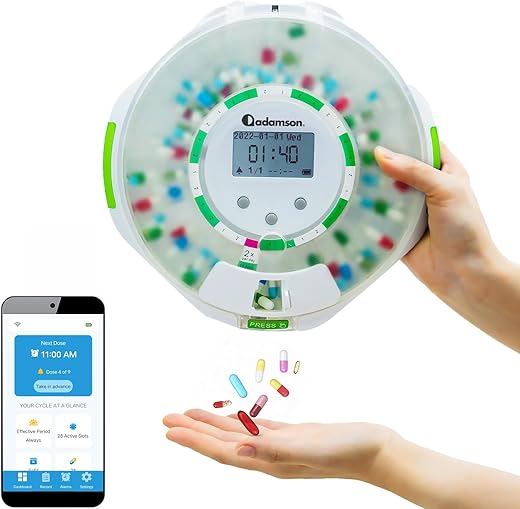
The emergence of technology has transformed how medication adherence is monitored. Innovative solutions have made it easier for patients and healthcare providers to keep track of prescribed treatments. Mobile applications and digital pillboxes send reminders and track dosages, ensuring patients follow their medication schedules. This real-time data provides healthcare professionals with insights into patient behaviors, allowing for timely interventions when patients are likely to miss doses.
Wearable devices have also played a significant role in this landscape. By incorporating medication adherence features, these devices enhance patient engagement. Users receive notifications directly on their wrist or handheld devices about upcoming medications. This integration not only fosters accountability but also helps build a routine around medication management, ultimately aiming to improve health outcomes.
Advancements in Data Analytics
The evolution of data analytics has significantly transformed medication management practices. Healthcare providers now have access to vast amounts of patient data, allowing for more informed decision-making. Analytics tools utilize machine learning and artificial intelligence to process information and identify patterns that were previously difficult to discern. This capability enhances the accuracy of diagnoses and treatment plans, ultimately improving patient outcomes.
Personalized medicine has greatly benefited from advancements in data analytics. By analyzing genetic information alongside medical history, clinicians can tailor treatments to individual patients. Predictive modeling techniques are also being employed to forecast patient responses to specific medications, which helps in minimizing adverse effects and optimizing therapeutic efficacy. These innovations pave the way for a more precise approach to medicine, addressing the unique needs of each patient more effectively than ever before.
Personalized Medicine and Predictive Modeling
The evolution of data analytics in healthcare has significantly influenced the development of personalized medicine. This approach focuses on tailoring treatments to individual patient characteristics, including genetic, environmental, and lifestyle factors. By analyzing vast amounts of data, healthcare providers can identify which treatments are likely to be most effective for specific populations or even individual patients. This advancement allows for more targeted therapies, reducing the trial-and-error aspect of medication management.
Predictive modeling has emerged as a key tool in enhancing the efficacy of personalized medicine. Algorithms analyze patient data to forecast health outcomes and potential adverse effects of medications. This proactive approach enables clinicians to make informed decisions about prescribing, adjusting dosages, or selecting alternative therapies before problems arise. With the integration of predictive modeling into healthcare, the potential for achieving better patient outcomes has expanded, driving a shift towards more systematic and individualized care practices.
FAQS
What are medication management tools?
Medication management tools are systems and devices designed to help patients and healthcare providers ensure the safe and effective use of medications. They include everything from pill organizers to sophisticated software that tracks medication adherence and safety.
How did patient safety influence medication management tools in the 2000s?
In the 2000s, patient safety became a primary focus of healthcare, leading to the development of more robust medication management tools. This included the implementation of safety reporting systems that helped identify and mitigate medication errors, thereby enhancing patient safety.
What impact have wearable devices had on medication management?
Wearable devices have significantly influenced medication management by enabling continuous monitoring of patients' health metrics. This technology helps in tracking medication adherence and provides real-time data to healthcare providers, ensuring timely interventions when necessary.
How has data analytics advanced medication management?
Advancements in data analytics have transformed medication management by enabling personalized medicine and predictive modeling. These tools allow healthcare providers to analyze patient data more effectively, leading to tailored treatment plans that improve medication outcomes.
What are some examples of modern medication management tools?
Modern medication management tools include mobile applications for tracking medication schedules, electronic health records (EHR) that integrate medication data, and advanced wearable devices that monitor patients’ vital signs and adherence to prescribed therapies.
Related Links
7 Best Medication Management Apps Available TodayWhy You Should Consider Smart Pill Dispensers
Roundup of Essential Medication Management Tools for Caregivers