


Dressing Sticks
Dressing sticks are practical tools designed to assist individuals with limited mobility in putting on clothing independently. Their long, ergonomic handles often feature a hook on one end for pulling items such as pants or shirts toward the body and a wedge on the other end for pushing garments into place. This simple yet effective design accommodates various clothing articles, making the dressing process more manageable for users.
These aids are particularly beneficial for those recovering from surgery or living with chronic conditions that affect their range of motion. The lightweight and portable nature of dressing sticks makes them easy to store or transport, allowing users to take them anywhere. By facilitating a smoother dressing experience, they help foster a sense of autonomy, encouraging individuals to dress independently while maintaining their personal style.
Here is a super informative post that goes into more detail.

Versatility of Dressing Sticks for Different Needs
Dressing sticks serve multiple purposes, making them essential tools for individuals with limited mobility or dexterity. They feature a long handle and a hook at one end, allowing users to reach and manipulate clothing items easily. This functionality is particularly useful for putting on shirts, pants, and jackets without requiring excessive bending or twisting. Additionally, some models come with a smooth edge, which can help users push fabric to achieve the desired fit.
These versatile aids can also accommodate varying needs depending on the user's physical condition. For those recovering from surgery or managing chronic pain, dressing sticks offer a means to regain independence during daily routines. Users can choose sticks with different lengths and designs tailored to their specific challenges. Whether dressing while sitting or standing, dressing sticks provide essential support and encouragement for maintaining personal agency in one’s wardrobe choices.
Sock Aids
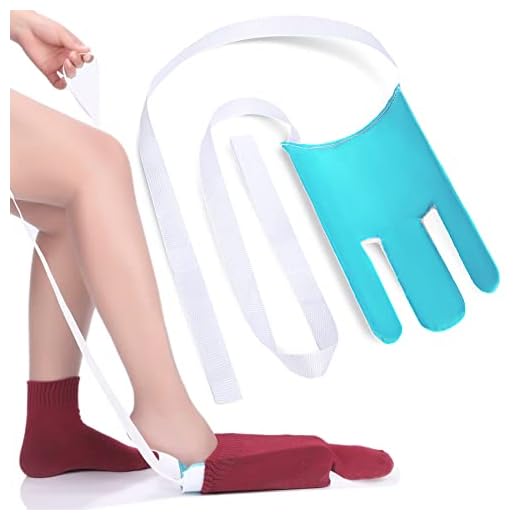
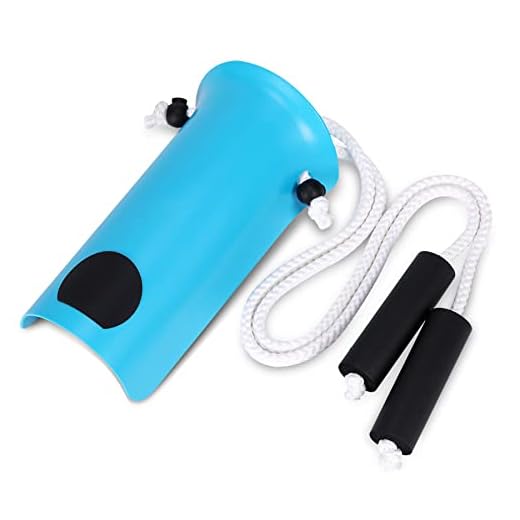
Sock aids are essential devices that simplify the process of putting on socks for individuals with limited mobility or difficulty bending. These tools typically feature a long handle and a cradle-like structure that holds the sock open, allowing users to slide their foot into the sock without strain. Many designs come with a smooth surface to facilitate easy sock placement and removal, which can be particularly beneficial for those recovering from surgery or managing chronic conditions.
When selecting a sock aid, comfort and usability should be the top priorities. Various models are available, some with adjustable handles to suit different heights and preferences. Others may include features like built-in grips or soft edges to prevent discomfort. Evaluating factors such as the type of socks being used and the individual's range of motion can help determine the most suitable option, ultimately enhancing the user's independence.
Choosing the Right Sock Aid for Comfort
Selecting the right sock aid can make a significant difference in the ease and comfort of putting on socks, especially for individuals with limited mobility. There are various designs available, including those with flexible structures and long handles, which help reach the feet without requiring excessive bending. When trying different models, consider testing the fit and material to ensure that it does not snag or irritate the skin. The overall functionality should align with personal preferences and daily routines, enhancing both comfort and convenience.
It is essential to take into account the type of socks typically worn. Some sock aids are specifically designed for thicker or tighter socks, while others work better with lighter, more elastic materials. Look for options that come with adjustable features to accommodate various sock styles. Additional aspects, such as weight and grip, can play a crucial role in the ease of use. A comfortable sock aid should not only ease the dressing process but also foster independence in daily activities.
Lifter Devices
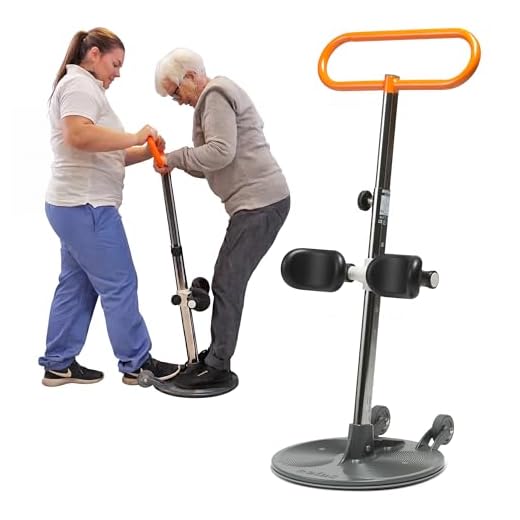
Lifter devices play a significant role in enhancing the independence of individuals who may struggle with mobility issues. These tools assist users in transitioning from sitting to standing positions or vice versa. They often come in various designs, accommodating different preferences and needs. Some models might include additional features like adjustable height settings and padded seats for added comfort during use.
The benefits of using lifter devices extend beyond physical support. They can boost confidence, allowing users to engage in daily activities without relying on assistance. This newfound independence can lead to improved overall well-being and a more active lifestyle. As a result, selecting the right lifter device is crucial for maximizing its effectiveness and ensuring safety during use.
How Lifter Devices Improve Mobility
Lifter devices offer essential support to individuals with mobility challenges, making daily activities like getting in and out of bed or chairs much smoother. These aids often feature a combination of straps, grips, and adjustable elements, allowing users to tailor the fit to their needs. The design minimizes strain on the body, which can be especially beneficial for those recovering from surgery or dealing with chronic pain.
Using a lifter device can also foster a greater sense of independence. By reducing reliance on caregivers for basic movements, individuals can regain confidence in their ability to manage daily tasks. This enhanced autonomy not only improves quality of life but also encourages active participation in rehabilitation efforts, thereby promoting overall well-being.
FAQS
What are dressing aids, and who can benefit from them?
Dressing aids are specialized tools designed to assist individuals with limited mobility or dexterity in getting dressed. They can benefit people with disabilities, the elderly, or anyone recovering from surgery.
How do dressing sticks work?
Dressing sticks are long, handle-like tools that help users pull on clothing, such as shirts and jackets, without needing to reach or bend down. They often have a hook on one end to grasp fabric and a blunt end for pushing.
What should I consider when choosing a sock aid?
When selecting a sock aid, consider factors such as the type of socks you wear, the level of assistance you need, and the comfort and ease of use of the device. Look for features like a flexible design and a non-slip grip.
Can lifter devices be used for other purposes besides dressing?
Yes, lifter devices can aid in various activities beyond dressing, such as transferring from a bed to a chair or repositioning in bed, making them versatile aids for improving overall mobility.
Are there any specific maintenance tips for dressing aids?
To maintain dressing aids, regularly check for wear and tear, clean them according to the manufacturer's instructions, and store them in a dry place to ensure longevity and proper function.
Related Links
Roundup of Innovative Dressing Aids for Enhanced Daily LivingHow to Choose the Right Dressing Aids for Independence